



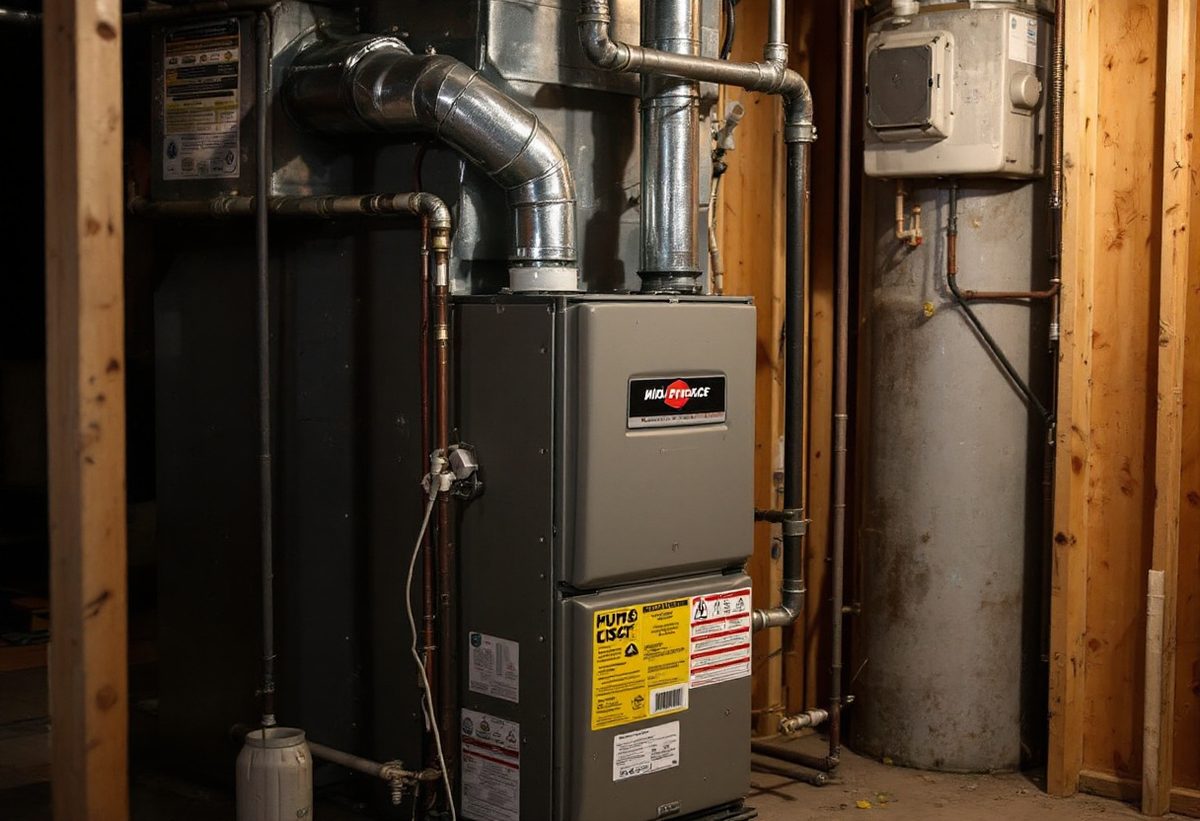
Average lifespan of a furnace and factors that influence how long it will serve your home
Most heating systems in Calgary homes continue to operate reliably for about 15 to 20 years, but that figure is not a guarantee. Some households see their equipment working past 25 years, while others face replacement after only 10. The difference often comes down to usage, installation quality, and maintenance habits. Skipping seasonal tune-ups usually shortens the service span, while professional inspections once a year tend to extend it.
Regular upkeep is less about spending money and more about preventing bigger bills later. It feels tedious sometimes, but cleaning ducts or checking airflow really does add years of service.
Brand and model choice also matter more than most people expect. A high-quality unit from a trusted manufacturer may cost more upfront, yet it often avoids the frequent repairs common with cheaper alternatives. Still, no equipment is immune to age. Parts wear, efficiency drops, and at some point replacement becomes more economical than constant repairs. Calgary Air Heating and Cooling Ltd often advises clients to balance repair costs against expected remaining service life rather than clinging to outdated equipment.
Average lifespan of different furnace types and models
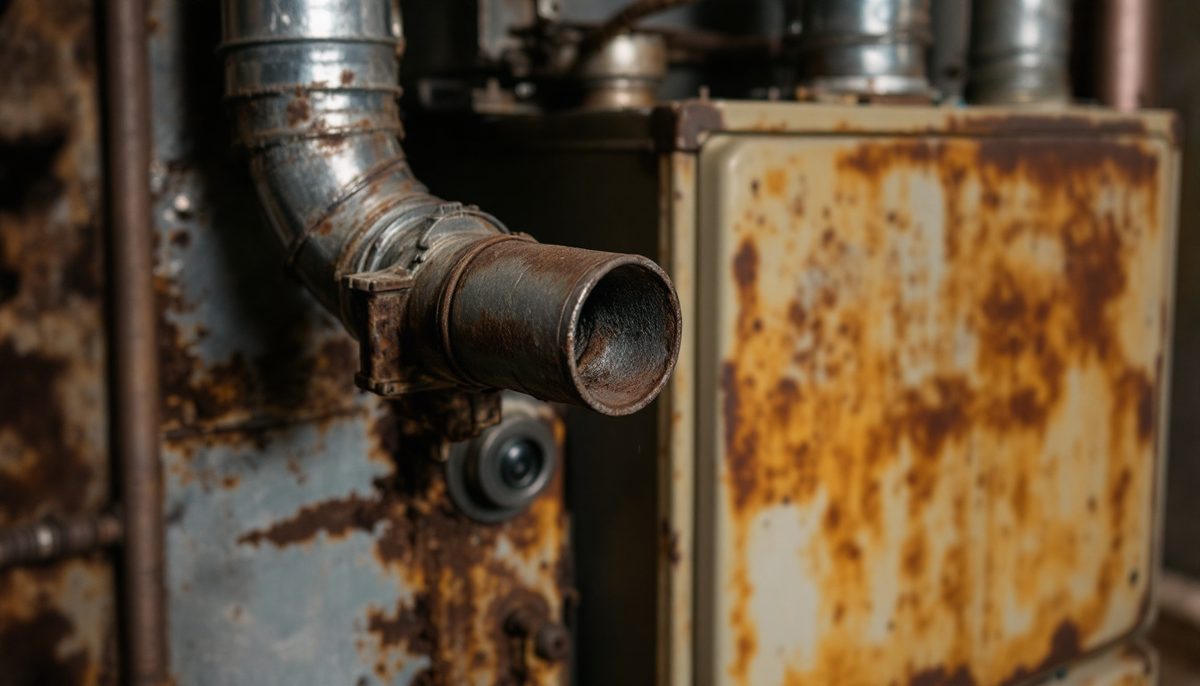
Gas-fired units typically operate for 15–20 years if maintenance is consistent. Oil-burning models, on the other hand, rarely cross 20 years; many show clear wear after 12–15 years. That said, newer oil designs have improved efficiency, so they sometimes hold up a bit longer.
Electric heaters often surprise homeowners by running 20–30 years. They have fewer moving parts, but the trade-off is higher electricity bills in colder climates. If someone is weighing whether to repair or replace, looking at energy use is just as important as counting remaining years.
High-efficiency gas equipment, while impressive in performance, doesn’t always outlast older standard units. The extra components–condensate pumps, secondary heat exchangers–add stress points. Ten to fifteen years is common before repairs become too frequent. That’s usually when people start comparing repair costs with the idea of Learning about features in newer furnace models.
Brands and usage habits
Premium models, although quieter and more efficient, sometimes need attention sooner. Running a system heavily through long winters tends to shorten its productive years, while a mild season gives equipment a break.
Whenever a unit starts showing signs of unreliable heat, odd noises, or frequent cycling, that’s a clue. Instead of guessing, a check-up can reveal whether it makes sense to repair–like It’s that time of year when the furnace gets temperamental–or whether replacement is more practical. The numbers vary, but the patterns are consistent: fuel type, build quality, and homeowner habits together shape the service span.
Key signs that indicate a furnace is nearing replacement
If heating cycles take longer than before or the system struggles to reach the set temperature, the unit is likely losing efficiency. A steady rise in monthly utility bills, despite no changes in usage, is another warning signal that the system is reaching its decline.
Unexpected noises–clanking, rattling, or a low rumble–often point to aging components. Frequent breakdowns requiring repeated service calls are not sustainable; Patchwork fixes only working for so long before full replacement becomes the practical choice.
Uneven warmth across rooms is a strong indicator too. If one area feels comfortable but another remains cold, airflow and heat distribution are likely compromised. That’s usually when people start asking, Wondering who offers emergency services late at night, because the system tends to fail at the most inconvenient times.
Pay attention to air quality changes as well. More dust in circulation, dryness, or worsening allergies suggest the equipment isn’t filtering properly. Reading customer experiences can help gauge what others noticed before replacement became unavoidable–See our collection of outstanding furnace reviews from Calgary for real examples of that shift.
Maintenance practices that help extend furnace lifespan
Replace or wash the filter every one to three months. Clogged filters restrict airflow, forcing the unit to overheat and cycle more often, which shortens its operating years. A clean filter also improves indoor air quality, something that makes a noticeable difference during long winters.
Schedule a yearly inspection before heating season begins. A licensed technician can check burners, heat exchangers, and safety switches. Small adjustments–tightening electrical connections, cleaning flame sensors–reduce the strain that gradually wears down key components. Skipping this step is where many costly failures begin.
Keep vents and registers clear of furniture and dust buildup. Airflow balance matters more than people assume; blocked vents create uneven heating and unnecessary pressure on the blower motor. A quick vacuum of ducts near the openings goes a long way.
Seal leaks around ducts and add insulation if needed. Heat loss through poorly sealed ductwork not only wastes energy but also forces the unit to run longer cycles. Even basic foil tape or mastic can improve performance by 20 percent or more in older homes.
Respond quickly to small changes in sound or performance. A faint rattle or sudden increase in utility bills often signals early trouble. Waiting until a complete breakdown rarely saves money–repair bills climb and unexpected shutdowns are stressful.
Q&A:
How many years does a typical gas furnace usually last?
A standard gas furnace is designed to serve homeowners for about 15 to 20 years. With proper maintenance, such as annual inspections, filter changes, and timely repairs, some units can stay reliable for closer to 25 years. However, if a furnace is used heavily during long winters, its lifespan may lean toward the lower end of that range.
Does the quality of installation affect how long a furnace will last?
Yes, the way a furnace is installed has a direct impact on its longevity. Poor duct connections, incorrect sizing, or improper ventilation can cause stress on the system and lead to premature wear. A professionally installed furnace with correctly matched components will generally operate more smoothly and last several years longer than one that was set up incorrectly.
What are signs that my furnace is approaching the end of its lifespan?
Frequent breakdowns, uneven heating, loud noises during operation, and a sharp increase in energy bills are common signals. If your furnace is over 15 years old and showing several of these problems, it often makes more sense to plan for replacement rather than keep investing in short-term repairs.
Can regular filter changes really extend furnace life?
Absolutely. A clogged filter restricts airflow, forcing the blower motor to work harder. This additional strain can shorten the system’s lifespan. By replacing or cleaning filters every one to three months, you keep airflow steady, reduce stress on components, and help the furnace last closer to its maximum expected years of service.
Do electric furnaces last longer than gas models?
On average, electric furnaces do last longer than gas systems. Many electric units continue working for 20 to 30 years, while gas models typically reach 15 to 20 years. The reason is that electric systems have fewer moving parts and don’t deal with combustion, which reduces wear and tear. However, they usually cost more to operate because electricity rates are higher than natural gas in most regions.
What factors influence the lifespan of a residential furnace?
The lifespan of a residential furnace typically ranges from 15 to 25 years, but several elements can shorten or extend this period. Key factors include the furnace type—gas furnaces generally last 18-25 years, while electric models may reach 20-30 years. Usage frequency also plays a role; homes in colder climates with heavy seasonal use will see faster wear. Regular maintenance, such as annual inspections, cleaning, and timely replacement of filters, can significantly reduce strain on components. Installation quality matters as well; improperly sized or poorly installed units experience uneven heating and mechanical stress. Lastly, the quality of internal parts, such as heat exchangers and blowers, influences durability, as higher-grade materials resist corrosion and mechanical fatigue better than cheaper alternatives.