
Something goes wrong with the AC in July. Usually a unit that skipped air conditioning maintenance in May. Calgary, Chestermere, Cochrane, Okotoks. Annual AC maintenance in all four. That is Calgary Air Heating and Cooling Ltd. Licensed and insured on every job. Upfront pricing. Call when the schedule works. Evenings included.
Skipping annual air conditioning maintenance is how small problems become expensive ones. A refrigerant pressure slightly low in May turns into a unit that quits on the hottest Friday in July. Your AC runs harder and costs more without regular maintenance. That is the version that shows up at 8pm on a Friday.
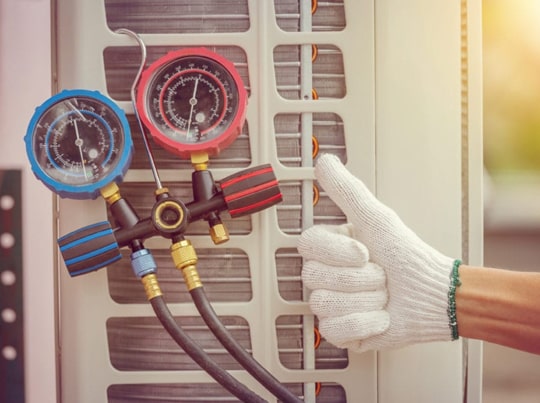

Nine months idle, then eight weeks flat out. That is what a Calgary air conditioner does, and it is not how the equipment was designed to be used.
Markets with a five-month cooling season wear their systems through running hours. Ours wear through sitting still. Capacitors weaken in storage. Contactor points corrode. Bearings dry out. Mice get into an outdoor unit that has not spun since Labour Day and chew the low-voltage wiring over the winter.
The result is that the failures we see in late June are mostly not fatigue. They are the consequence of a long dormancy nobody checked at the end of. A spring service visit is what turns that up while there is still time to order a part.
Chinooks add their own damage. Freeze, thaw, refreeze, sometimes twice in a week, and the outdoor condenser sits through all of it. Fins corrode from the base where meltwater pools and refreezes. A unit that spent February under a drift can be sitting out of level by spring, and a condenser out of level enough stops returning compressor oil properly. That failure surfaces years later with no apparent cause.

Filter swapped or cleaned. Thermostat calibration checked against actual supply temperature.
Evaporator coil inspected for dirt and for ice history. Condenser coil cleaned, because a season of cottonwood and dust across the fins costs real capacity. Fins straightened where hail or a lawnmower has flattened them.
Refrigerant charge measured against the manufacturer spec rather than topped up on a guess. Electrical connections tightened, since thermal cycling loosens terminals over years and a loose connection is how contactors burn. Capacitor tested under load, not just visually, because a capacitor can look perfect and still be reading well under its rating.
Condensate drain cleared. A blocked drain backs water into the furnace cabinet, and that gets expensive in a hurry. Blower wheel checked for buildup. Amp draw on the compressor recorded and compared against the plate rating, which is the single most useful number for spotting a system starting to fail.
Anything heading for failure gets flagged with the visit, before July, while parts are still available and the schedule still has room.
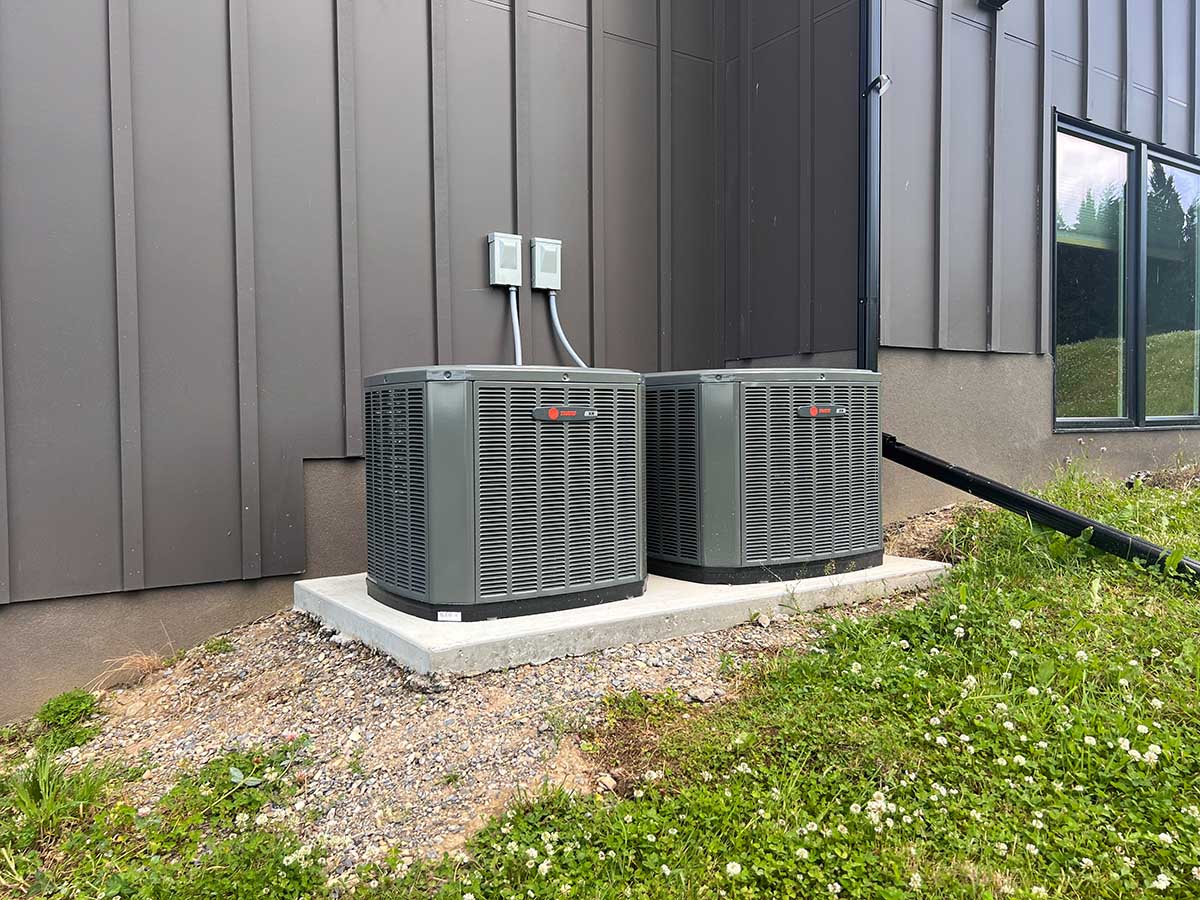
Serviced every spring, an air conditioner comfortably runs past 15 years. Never touched, the same unit gets through 10 to 12.
Three to five extra years for the cost of an annual visit is the whole argument, and it is a better return than almost any other maintenance spend in a house.
The mechanism is not mysterious. A dirty condenser coil raises head pressure, and high head pressure makes the compressor work harder every single running hour. Low refrigerant charge does the same thing from the other direction. Neither one breaks the air conditioner this summer. Both shorten it by years.

A coil packed with dust and seed fluff cannot reject heat properly, so the system runs longer to reach the same thermostat setting. Longer run times on a higher power draw, every hot day, for the whole season.
Homeowners rarely notice because the change is gradual across several years. The bill creeps. Then the unit gets serviced and the following summer costs less with no change in behaviour.
Airflow is the other half of it. A filter left in for two seasons starves the evaporator coil, and a starved coil ices up. Once there is ice on the coil, the air conditioner is drawing full power and moving almost no cool air at all.
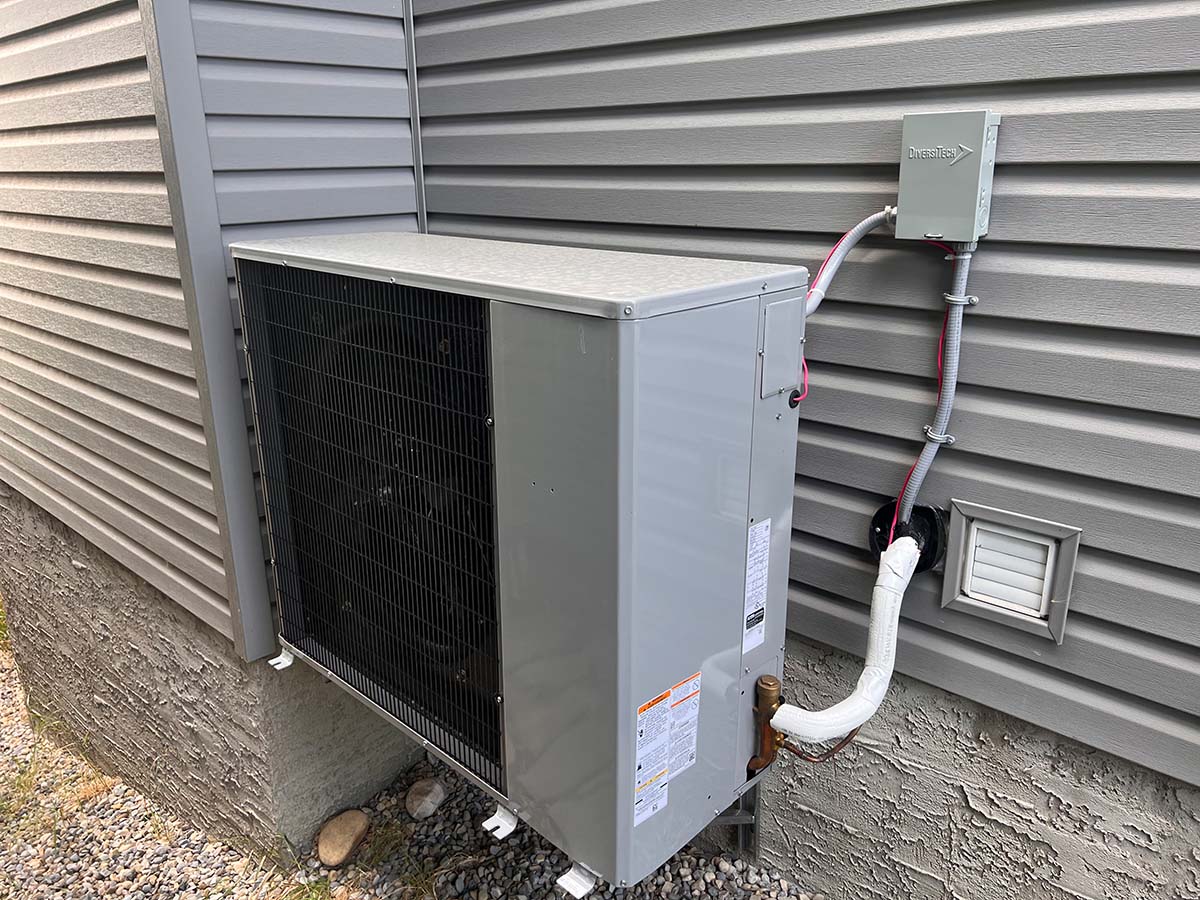
April or May. Straightforward answer, and almost nobody follows it.
Booking in spring means a working system before the heat, a real conversation with the technician, and a repair slot inside a couple of days if the visit turns something up. Booking in July means joining the queue behind everybody whose air conditioner has already quit.
The pattern is the same every year. Phones are quiet through May. First 30-degree stretch arrives and the schedule fills inside 48 hours. Maintenance calls get pushed behind no-cool emergencies at exactly the point when a tune-up would have prevented one.
Once a year is right for most homes. Add a second visit if the house sits near a construction site, backs onto a field, or has heavy cottonwood nearby, since all three load the condenser coil far faster than a normal city lot.

Change the filter. Every one to three months during the cooling season, depending on the filter and whether there are pets. It is the single highest-value thing a homeowner does and it costs a few dollars.
Keep two feet clear around the outdoor unit. Shrubs, fence panels, and stacked patio furniture all choke airflow, and a condenser needs to breathe on all sides.
Hose the condenser fins down gently from the outside in, with the power off at the disconnect. Gently is the operative word. A pressure washer folds fins flat and does more harm than the dirt did.
Check that the condensate line is draining. If there is water around the furnace, stop and call before running the system further.
What is not a homeowner job: refrigerant, electrical, and anything behind a panel. Charge requires gauges and certification, and guessing at it damages compressors.

First run of the year tells you a lot, and it is worth doing deliberately rather than on the first hot afternoon.
Pick a day above about 16 degrees, because running a system in cold weather can damage the compressor. Pull the winter cover if there is one. Clear leaves and debris out of the top of the condenser. Turn the disconnect back on if it was shut off in autumn, then give the unit a few hours before calling for cooling, so the crankcase heater can drive refrigerant out of the compressor oil.
Then set the thermostat well below room temperature and listen. The outdoor fan should start within a moment of the compressor, and the compressor should start cleanly rather than straining. A hum with no fan movement points at a failed capacitor, and continuing to run it in that state is how a compressor gets damaged. Shut it off and call.
Twenty minutes in, put a hand on the two refrigerant lines. The thick insulated one should be cold. The thin one should be warm. Both warm means low charge or a failed compressor. Ice on either means shut it down.

A single annual tune-up is the least expensive service call on the calendar, well under what a capacitor replacement runs and a long way under a compressor.
Pricing is given upfront before the visit, and it does not change once someone is on site. Where a visit turns up a fault, the repair gets quoted separately and gets approved before any work happens. No maintenance appointment ever converts itself into an unexpected invoice.
Homeowners booking furnace service in autumn and air conditioner service in spring usually ask about pairing them. It is worth raising when you call, since scheduling both in the same year is straightforward to arrange.

Worth being clear about. A tune-up is preventive, and a unit that has already stopped cooling needs a diagnosis instead, which is covered on the AC repair page.
Maintenance also will not rescue an air conditioner at the end of its life. A 16-year-old system leaking R-22 is not a maintenance problem, and the AC replacement page covers where that conversation goes. For a new system, AC installation has the sizing and process detail, and the air conditioning services page covers the full range.
Licensed, insured, 100% Canadian. Upfront pricing, with the quote standing as the invoice. Evening and weekend appointments where weekday windows do not work. Calgary, Chestermere, Cochrane, Okotoks, and the surrounding rural communities.
Call (403) 720-0003 to book a spring tune-up before the schedule fills.
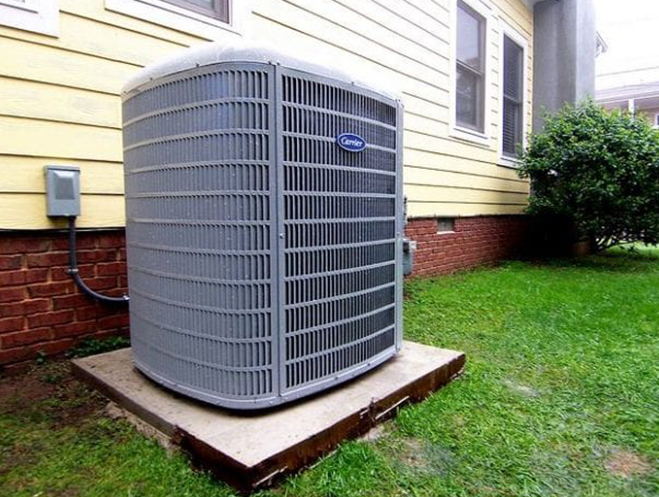
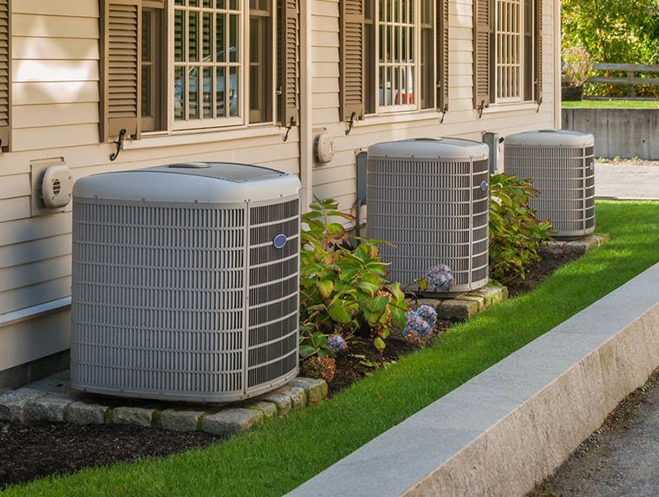
Once a year for most homes, in spring. Twice if the unit sits somewhere that loads the coil quickly, like near construction, a field, or heavy cottonwood.
Around an hour for a straightforward visit. Longer if the coil needs a proper cleaning or something turns up that needs investigating.
Most manufacturers require documented annual service to keep the parts warranty valid. Worth knowing before skipping a couple of years on a unit still inside its warranty period, because a compressor claim is exactly when it gets checked.
Filter changes, clearing space around the outdoor unit, and a gentle rinse of the condenser fins, yes. Refrigerant charge, electrical work, and anything behind a service panel need a licensed technician. Charge in particular cannot be judged by feel.
Working fine is exactly when maintenance is worth doing. The point is catching the weak capacitor and the dirty coil while the system still runs, rather than after it has quit in the last week of June with the schedule already full.
April or May, before the first hot stretch. Late March works too. Anything from mid-June onward means competing with no-cool calls for a slot.
They are separate visits with separate checklists, though they can be scheduled together. Furnace service belongs in autumn and air conditioner service in spring, which is why most homeowners end up with two appointments a year rather than one.
You will always get upfront pricing on all our professional services. Also, you will get free replacement quotes on heating and cooling. Apart from Calgary, the other areas we cover are Chestermere, Cochrane, Okotoks, Rural Communities, etc.