
Twelve to fifteen years is what most central air conditioning systems deliver. Past that window, repair costs climb and the unit works harder for the same output. Calgary Air Heating and Cooling Ltd assesses what you have and gives a straight answer on whether replacement makes sense, or whether fixing the existing unit is still the right call. Honest read. No upsell.
An air conditioning replacement is not always the answer. Single fault on a six-year-old unit with an active warranty? Fix it. R-22 system past twelve years with two repair calls this summer? Different situation. The assessment covers both directions.
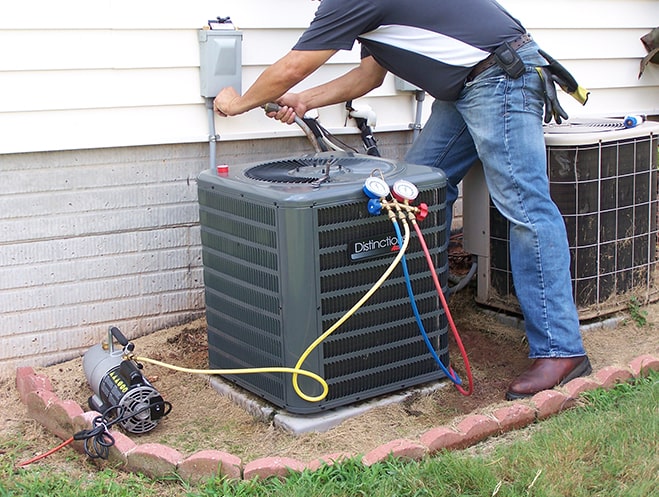
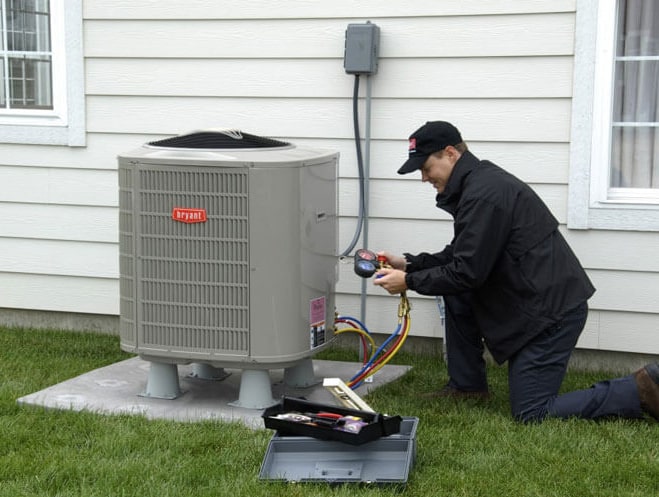
Age is the main trigger. Past twelve to fifteen years, components fail more often. Parts get harder to source. Efficiency drops. The monthly energy bills reflect it. Running the unit another season becomes a question of whether the math still works.
R-22 was phased out across Canada, 2020. Still on R-22? Top-ups are expensive. Supply keeps shrinking. There is no path forward on it that holds up financially past a certain point.
Repeated repair calls in a single season tell their own story. One call is one call. Two or three in the same summer on a unit past ten years is a different situation. Worth talking through the numbers on a new system at that point. For units that are newer or have a single isolated fault, the AC repair service page covers what those calls typically involve.
Calgary Air Heating and Cooling Ltd technicians give you a straight read on which direction makes sense. No benefit to them in recommending a new unit you do not need.
Single component failure on a unit under ten years with an active warranty: fix it. Multiple repair calls, R-22 refrigerant, energy bills climbing with no change in usage: those three together usually point toward AC replacement. Age, repair history, and refrigerant type are the inputs. The numbers do most of the talking.
Old unit out first. Refrigerant recovered correctly. The existing copper line set and ductwork are checked before anything new goes in. Depending on age and condition, some of that may need attention before the new unit is installed. Skipping that step creates problems down the line.
New condenser goes outside. Evaporator coil replaced inside. A matched system, both components from the same installation, protects the manufacturer warranty and delivers the efficiency rating the unit is built to. New condenser on an old evaporator coil: warranty at risk from day one, efficiency reduced from the start.
Most jobs are done in one day. Larger homes or work that also needs ductwork or electrical attention may run into a second day. Calgary Air Heating and Cooling Ltd schedules around you, including evening and weekend appointments.
Financing available on new units for homeowners who want to spread the cost. Free quote before anything starts. No obligation to proceed after the assessment.
For a new installation on a home that has never had central air, the AC installation service page covers how that process works.
Air conditioning replacement cost varies. Unit size by tonnage, SEER rating, and condition of the existing ductwork pull the number in different directions. A straightforward swap on a home with clean ductwork and a good electrical panel costs less than a job that also needs additional work before the new unit can go in.
Written quote before work starts. Cost confirmed before anything begins. No surprise on the invoice. Something additional comes up during the job, you hear about it before work continues.
Higher SEER ratings produce lower monthly energy costs across the life of the system. The math on going up a tier often works over a ten-year run. Worth running through at the assessment.
Annual tune-ups extend system lifespan and catch components starting to wear before they fail. The AC maintenance service page covers how that works and when to book.
Calgary, Chestermere, Cochrane, Okotoks. That is the service area. Calgary Air Heating and Cooling Ltd is licensed, insured, 100% Canadian. Upfront pricing on every job. Call (403) 720-0003 to book or ask about your unit.
The air conditioning services page has the full picture of what Calgary Air Heating and Cooling Ltd covers, from air conditioning replacement through to installation and maintenance.
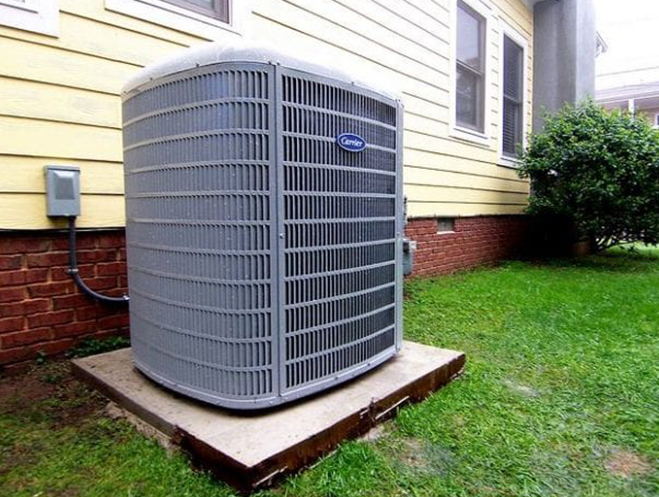
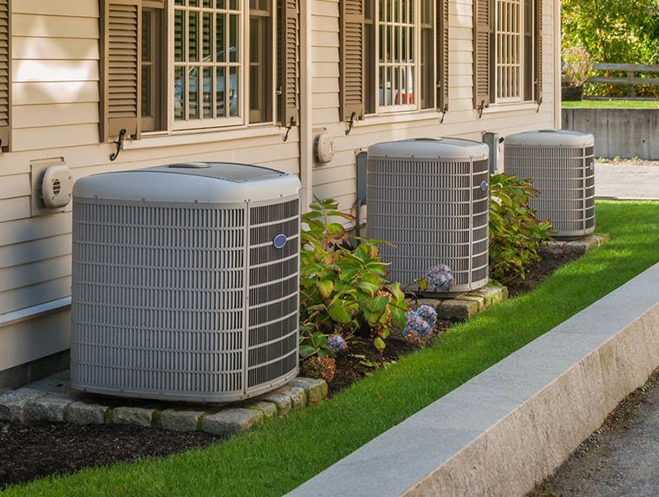
Most jobs are done in one day. Old unit out, new unit in, lines run, system commissioned and tested before the technician leaves. Second day occasionally needed on larger homes or work that also covers ductwork and electrical. Evenings and weekends available.
You can. Not always the right call. New condenser on an old evaporator coil puts the manufacturer warranty at risk and reduces the efficiency the new unit can deliver. Past ten years on the coil, replacing both at the same time is usually the better move. The technician assesses both on-site. No obligation in the assessment.
Yes. All units installed by Calgary Air Heating and Cooling Ltd carry manufacturer warranty. Labour warranty is separate. Extended coverage available on most equipment. Ask when you book.
Depends on the furnace. A new high-efficiency air conditioner paired with a furnace near end of life creates a matched-system problem. The new unit cannot reach its rated efficiency when the furnace blower is working against it. Furnace under ten years and running well, the AC replacement alone is usually fine. Both approaching end of life, doing them together saves on labour and gets the full efficiency both units are rated for. Straight answer on that at the assessment.
Yes. On-site assessment first. Cost confirmed before work starts. No obligation to proceed. (403) 720-0003.
You will always get upfront pricing on all our professional services. Also, you will get free replacement quotes on heating and cooling. Apart from Calgary, the other areas we cover are Chestermere, Cochrane, Okotoks, Rural Communities, etc.