



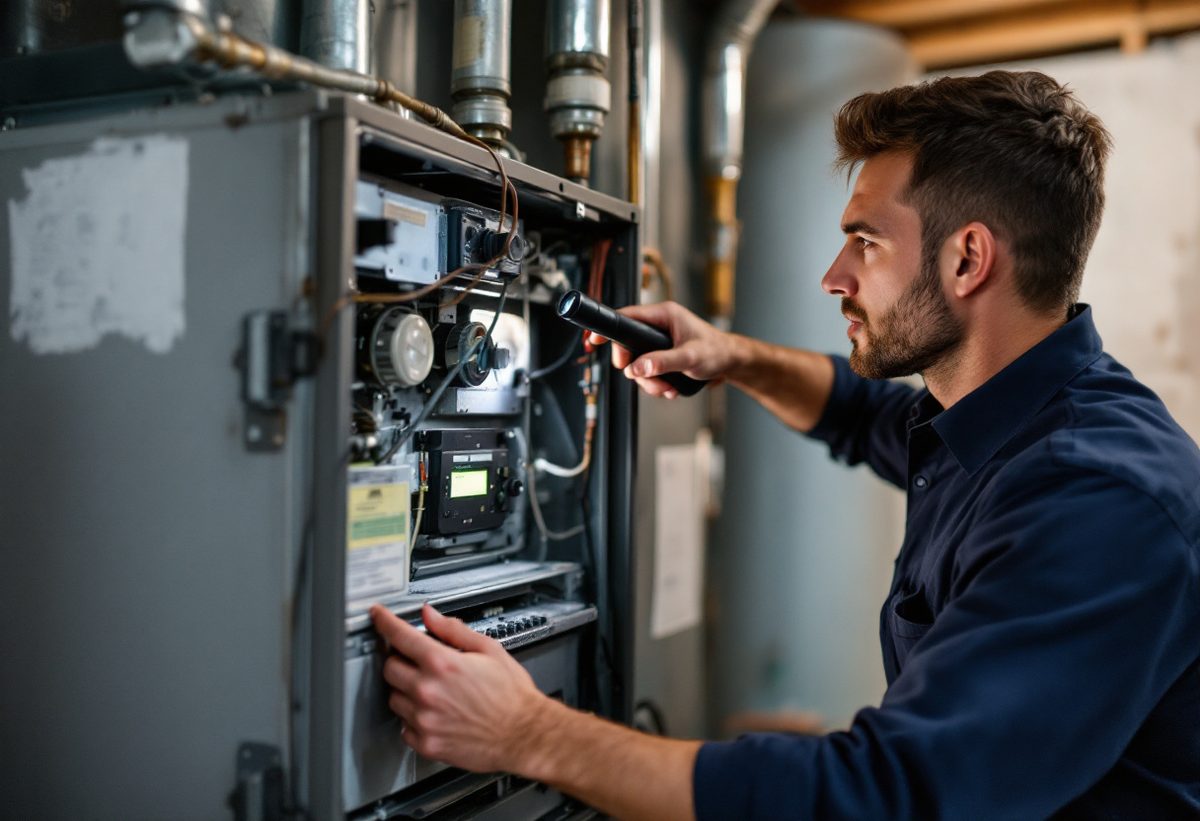
Common reasons why a furnace stops working and how homeowners can identify the cause
Check the thermostat before calling a technician. A dead battery, loose wire, or a setting switched from “heat” to “cool” can stop the system from producing warm air.
If the blower refuses to start, look at the breaker panel. A tripped switch or a blown fuse will cut power instantly. Resetting the breaker may restore function, but if it trips again, that’s usually a sign of a deeper electrical fault. Leaving it off until a licensed technician checks it is safer than guessing.
Airflow issues come up constantly. A clogged filter, for example, blocks circulation and can even trigger safety shut-offs. Replacing or at least inspecting the filter every one to three months in Calgary’s dry winters is more than just maintenance–it keeps heat consistent and reduces strain on the motor.
Sometimes the problem sits with the ignition. A faulty flame sensor or a dirty burner assembly can prevent startup, leaving the unit silent even though power is available. These parts are delicate, so it’s not something most homeowners want to tinker with. Professional cleaning or replacement usually clears the fault, and in many cases extends the lifespan of the entire heating unit. Calgary Air Heating and Cooling Ltd has technicians who deal with this exact scenario daily, which spares you from guessing whether it’s a sensor, valve, or wiring fault.
Checking thermostat settings and power supply issues
Set the thermostat above the current room temperature and confirm that the mode is on “heat.” A common slip is leaving it on “cool” after summer or forgetting that the schedule is programmed for different hours. If the display is blank or flickering, replace the batteries right away, since low voltage can block the signal from reaching the heating system.
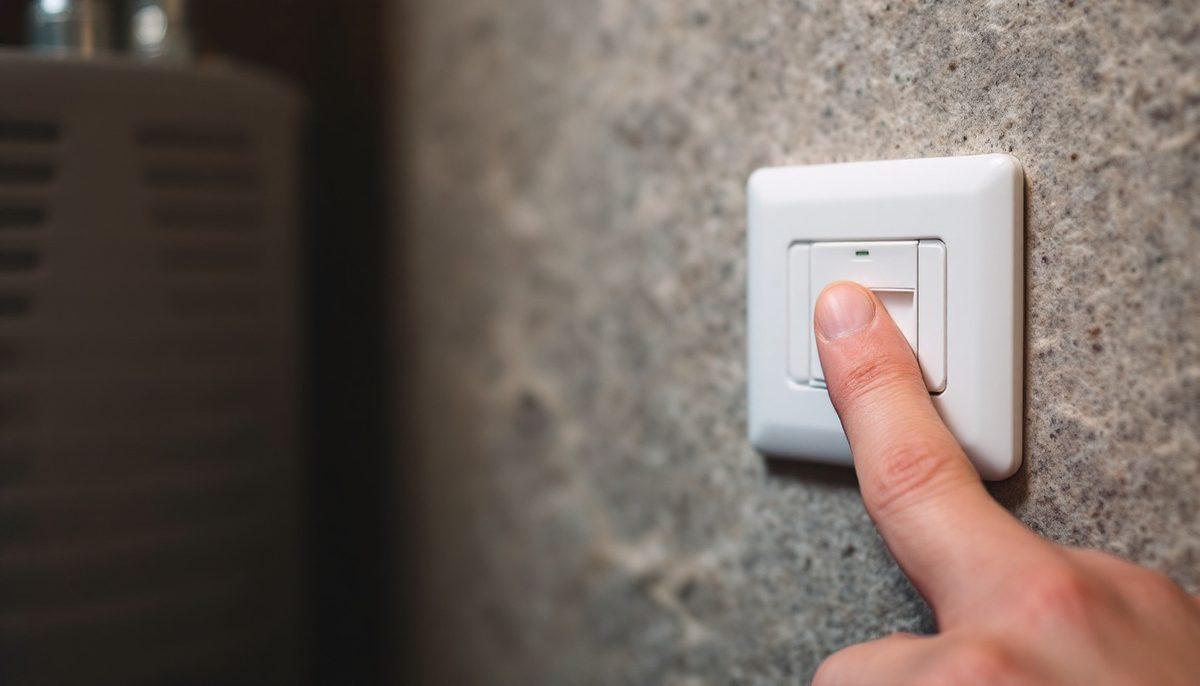
Once the settings are correct, check if the breaker panel has tripped. A tripped breaker often looks slightly off-centre compared to the others. Flip it fully to “off” and then back to “on.” It’s a small step but it restores power more often than people think. If you rely on a power switch near the unit, make sure it hasn’t been toggled accidentally during cleaning or storage.
If the equipment still stays silent, look at the safety switch on the access panel. Some models cut electricity if the cover is loose or not aligned. Reseating the panel usually solves this. For homeowners who notice unusual symptoms–like Is there a weird smell coming from the vents?–it may point to electrical or mechanical issues that require service beyond basic checks.
Quick checklist
- Adjust thermostat to “heat” mode and raise the set temperature.
- Replace thermostat batteries if the screen looks dim or blank.
- Reset tripped breakers in the electrical panel.
- Confirm the power switch near the unit is in the “on” position.
- Secure the access panel to reactivate the safety switch.
Identifying common airflow problems and dirty filters
Check the return vents first. If airflow feels weak or uneven, the filter may already be clogged with dust. A filter packed with debris reduces circulation, forces the blower to work harder, and can cause heat to shut off earlier than it should. Swapping in a new filter often restores balance within minutes, and it’s usually the cheapest fix available.
Blocked ducts can mimic the same issue. Furniture pressed against vents or closed registers restricts circulation and creates pressure inside the system. If warm air collects in one room but barely reaches another, that imbalance points directly to distribution issues rather than a mechanical breakdown.
Another sign: a constant cycling on and off without stable heat. This behaviour is often blamed on bigger failures, yet in many cases it links back to filter neglect. If you’re Unsure which part actually needs repair, it makes sense to rule out dirty filters and airflow restrictions first before calling in technical help.
Persistent circulation problems, even after filter replacement and vent checks, may point toward deeper issues inside the blower or duct network. That’s the stage where people start wondering, Deciding if now is the right moment for a major change. Sometimes a simple repair keeps the unit going for years; other times the cost of parts and labour doesn’t add up. Feedback from past customers can help guide that decision, and Hundreds of Calgary furnace reviews can’t be wrong when they describe what worked best in similar situations.
Troubleshooting ignition system and pilot light failures
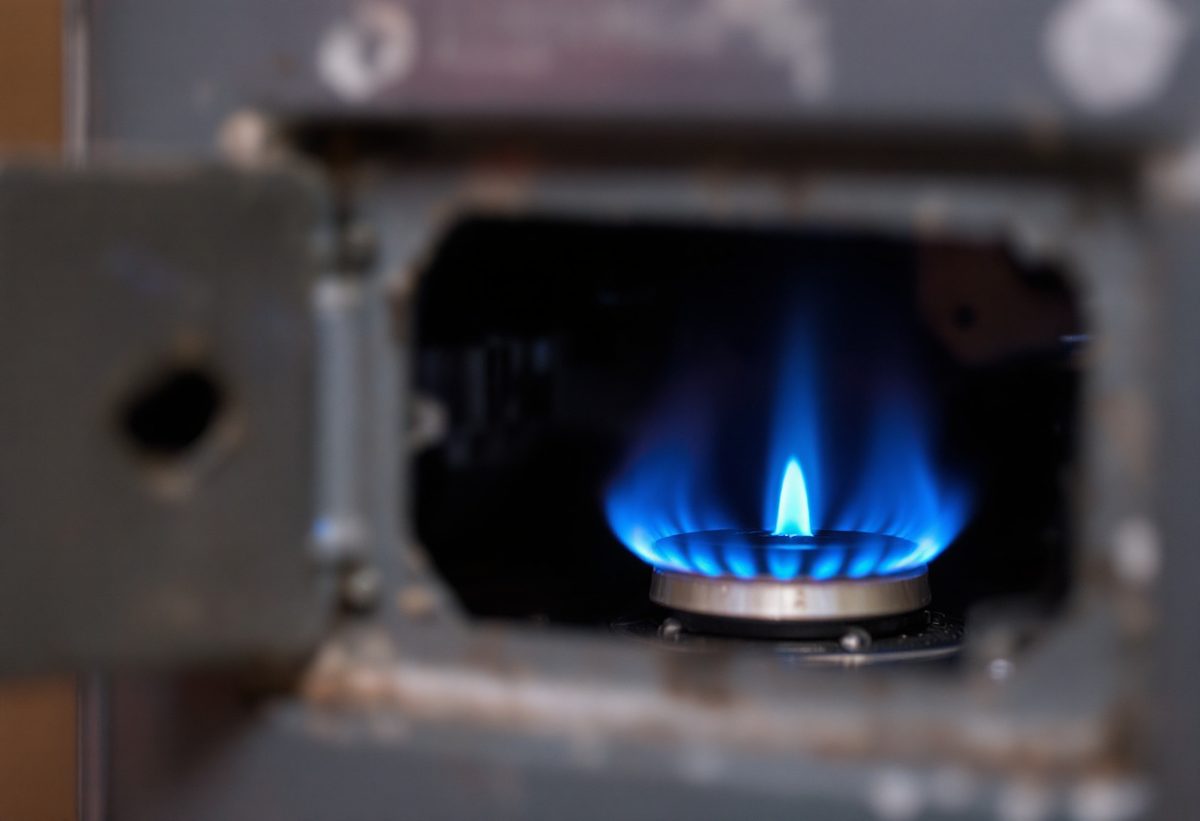
If the burners stay cold, check the pilot flame first. A weak or flickering flame usually means dirt on the tip or a draft pulling it away. Gently clear debris with a soft brush or compressed air. If the flame refuses to stay on, the thermocouple may be worn out and needs replacement.
For spark ignition systems, listen for the clicking sound. If you hear the click but no flame appears, the gas valve might not be opening. That could be a stuck solenoid or a wiring fault. On the other hand, silence during startup points toward a failed igniter. Cracks or white buildup on the ceramic piece are common signs of wear.
Do not overlook the control board. A failed relay or burnt trace can interrupt power to the igniter, making the whole system appear dead. Sometimes a reset helps, but if issues repeat, inspection by a technician is the safer route. Deciding if maintenance helps the old unit last longer can prevent sudden ignition problems in the middle of winter.
Gas supply should also be verified. A closed valve, low pressure, or an obstructed line can all stop ignition. Checking with the utility provider can save time before diving into more complex repairs.
Recognizing signs of mechanical wear and component damage
Check for rattling or grinding sounds during operation, as they usually suggest loosened bearings or worn motor parts. If the noise increases over time, shutting the system down before further use may prevent permanent failure.
Inspect the blower wheel and fan blades for cracks or bent sections. Even a small misalignment can reduce airflow and create vibration throughout the unit. Sometimes people overlook this, blaming ductwork instead, but it’s worth a close look.
Look at belts and pulleys for fraying edges or unusual slack. A belt slipping on the pulley often produces a faint squeal, which tends to get worse when the unit first starts up. Ignoring this small detail often leads to sudden breakdowns.
Uneven heating across rooms, combined with Unexplained airflow drops overnight, may indicate that internal components such as dampers, valves, or the heat exchanger are showing early damage. Rust marks, soot, or slight warping around metal parts also point to deeper mechanical fatigue that shouldn’t be left unaddressed.
If you notice burned wiring insulation or a persistent smell of overheated metal, discontinue use and arrange for inspection. These signs are often subtle at first but quickly escalate if ignored.
Q&A:
My furnace won’t start at all. What should I check first?
First, confirm that the thermostat is set to “heat” and the temperature is higher than the current room temperature. Next, check that the furnace is receiving power: inspect circuit breakers and the furnace switch. If everything seems powered but the furnace still won’t start, the ignition system or control board may be at fault and may require a technician’s inspection.
Why is my furnace blowing cold air even though it seems to turn on?
Cold air can be caused by a dirty air filter restricting airflow, a malfunctioning gas valve, or an issue with the pilot light or electronic ignition. Inspect and replace filters if clogged. If the furnace ignites but the flame is weak or absent, the gas supply or ignition components might need servicing.
My furnace turns on and off frequently. What could cause this?
Short cycling often results from airflow blockages, overheating, or a thermostat reading the wrong temperature. Check for dirty filters or closed vents, which can limit airflow. If the furnace overheats, the safety limit switch shuts it off repeatedly. In some cases, a miscalibrated thermostat triggers frequent cycles.
There’s a strange smell coming from the vents when the furnace runs. Should I be concerned?
A burning or musty smell can indicate dust burning off after a long period of inactivity, or it could point to mold or debris in the ductwork. A persistent chemical or gas odor may indicate a gas leak, which is a serious safety issue. Turn off the furnace and contact a qualified professional immediately if the smell persists or resembles gas.
Unexplained airflow drops have started overnight. Could this signal a serious problem?
Sudden drops in airflow may indicate mechanical wear, a failing blower motor, or a clogged duct. Inspect filters first, then check ducts for visible blockages. If the airflow remains weak after cleaning filters and ducts, a technician should evaluate the blower and internal components. For guidance on airflow issues, you can consult Unexplained airflow drops overnight.
Why does my furnace turn on but fails to heat the house?
If your furnace powers on but the home remains cold, the issue might be a malfunctioning gas valve, a blocked burner, or a dirty flame sensor. Inspect the flame sensor for buildup and clean it carefully. Ensure the gas supply is uninterrupted and the thermostat settings match the desired temperature. In some cases, a clogged air filter or closed vents can restrict airflow, preventing proper heat distribution. Checking these components step by step often identifies the root cause without calling a technician immediately.
What should I do if my furnace makes unusual noises when running?
Unusual sounds from a furnace, such as banging, rattling, or squealing, usually indicate mechanical issues. Banging can occur when burners ignite late, rattling may point to loose panels or ducts, and squealing often signals worn blower belts. Begin by turning off the unit and inspecting accessible parts like the blower, belts, and duct connections. Tighten any loose screws and replace worn belts if visible. Persistent or loud noises can signal serious damage to motors or internal components, so scheduling a professional inspection is recommended to prevent further wear or safety hazards.