



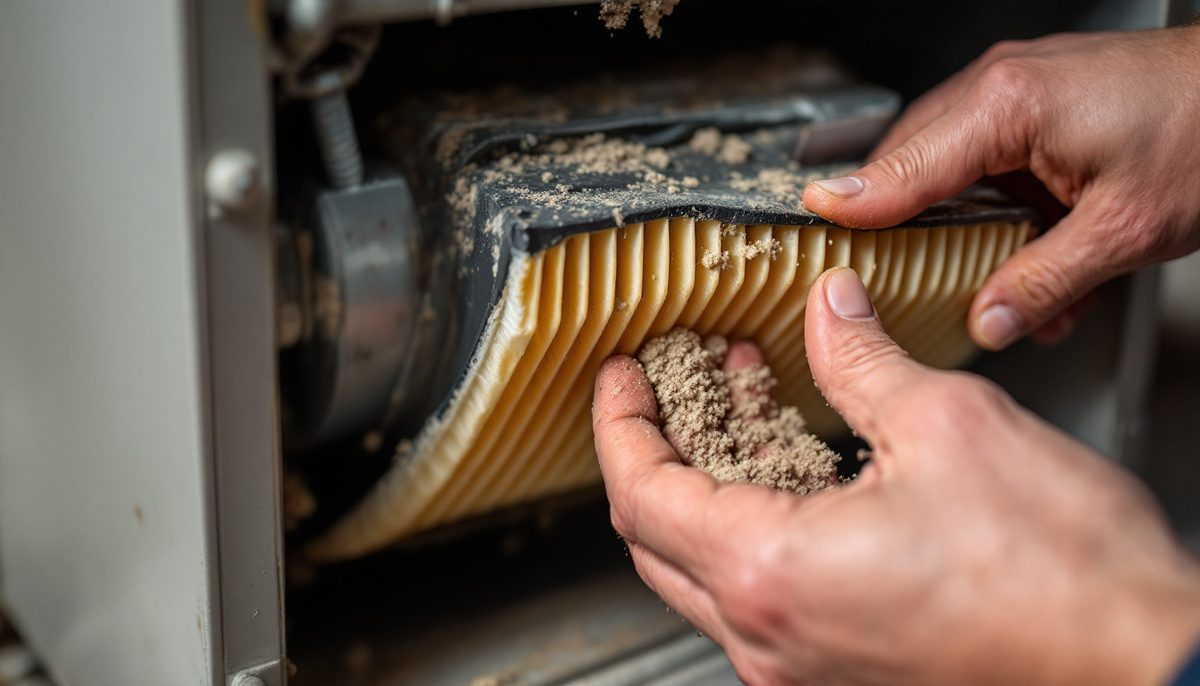
Why Your AC Smells Musty Burning or Sour and What It Means for Your System
“The air conditioner is running, but the air coming out has this… funk.” Sometimes it’s that damp basement kind of odour. Sometimes it’s a hot, dusty, almost electrical scent that makes you shut the unit off and stand there listening to see if something is about to go sideways. And sometimes it’s a sharp, tangy note that hits you right at the register like something spilled and never got cleaned up.
Most of the time, the cause isn’t mysterious. It’s just not where you’d expect.
The hot, singed type of scent is the one we take most seriously, because it can be harmless, or it can be a warning. If your gut says “this isn’t normal,” you’re probably right. Well, usually anyway.
In this article we’ll go through the common sources for damp, hot-electrical, and tangy odours, the quick checks you can do without taking half the unit apart, and the situations where it’s smarter to stop and book a service call. Most of the time, at least, you can narrow it down fast once you know what you’re actually dealing with.
Musty odour: how to spot mold sources in the evaporator coil, drain pan, and condensate line
If the air coming out of your registers has that damp-basement vibe, we don’t automatically blame the ductwork. A lot of the time it’s right at the indoor coil section where cold metal meets warm, wet air and things grow. You can’t always see it from the front panel either, which is annoying, because you think the filter is clean and you’re good, then the system runs and the house gets that stale, wet sock type of funk again.
Evaporator coil: where the gunk likes to hide
The evaporator coil can look “fine” from a quick peek, then you shine a flashlight from a different angle and the fins are speckled or matted. If you can safely remove the access panel (power off at the switch, please), look for dark spotting along the lower rows and around the end plates where condensation hangs around.
Drain pan and condensate line: the usual suspects
The drain pan tells on itself. A pan that is clean looks like plastic or metal, simple as that. A pan with trouble has brown streaking, black dots at the corners, or a slippery film that makes you want gloves. Check if water is sitting there when the system is running, or worse, when it has been off for hours. Most of the time, at least, it’s just a slow pan outlet or a sag in the line that turns part of the pipe into a little swamp.
For the condensate line, look at the easy clues first: the outside termination dripping while cooling is on (good sign), then nothing at all on a warm day (not so good), or a faint greenish film inside the clear sections if you have them. If you’ve got an access tee near the furnace, pop the cap and look down with a flashlight. Slimy walls, stringy bits, or a sour, “wet towel” vibe in that opening usually means the line is feeding growth back toward the pan. The opposite can happen too: the pan is nasty because the line is clear but the system is slightly out of level, so the pan never fully drains. It sounds picky, but a few millimetres of tilt is plenty. Well, usually anyway.
Burning odour: dust burn-off, overheating blower motor, and electrical faults
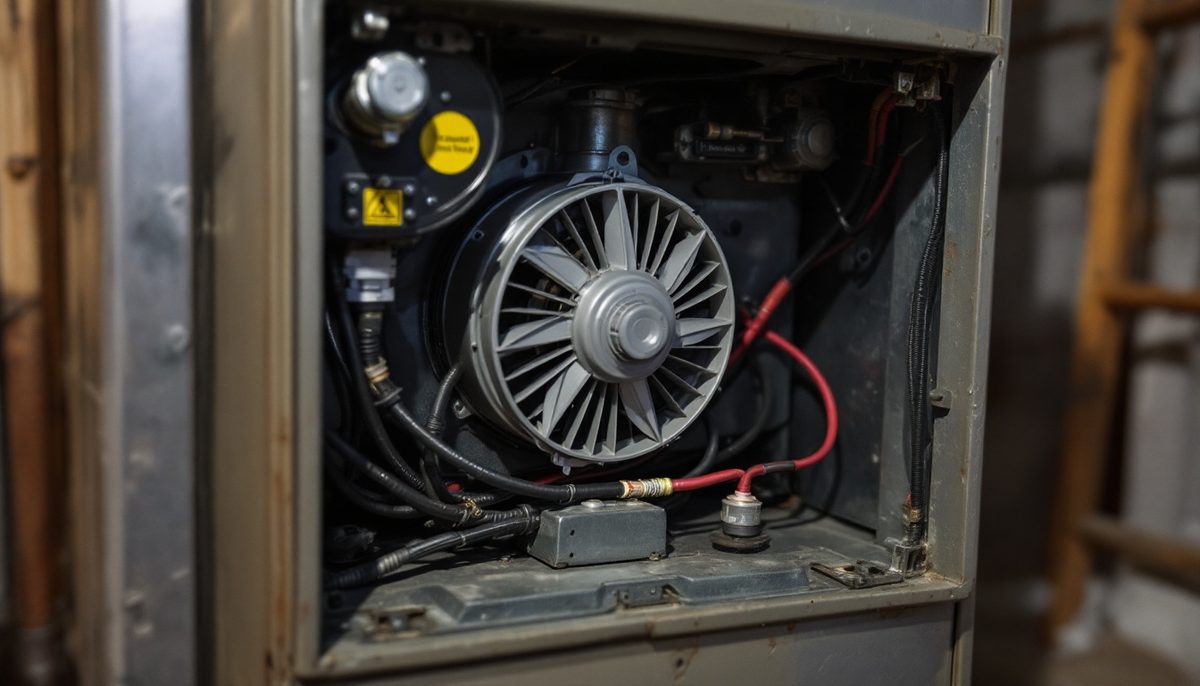
If you get that hot, scorched kind of odour from your AC, don’t just shrug and hope it “goes away.” Sometimes it really is harmless dust cooking off, but plastic inside the unit can already be starting to discolour while it still blows cold. Cold air doesn’t mean everything inside is happy.
The first thing we think about is dust burn-off. If the system hasn’t run in a while, the indoor coil and the heat exchanger area on combo units collect a fine layer, and the first couple cycles can have a heated, dry scent. You’ll notice it fades fast, like within 10 to 30 minutes. If it hangs around for hours or shows up every single time the blower starts, that’s not “first run of the season” anymore, that’s buildup or something running too hot.
Check the easy stuff that people ignore. Filter seated properly, not collapsed, not jammed in backwards. Return air grilles not packed with pet hair. Supply vents not blocked by rugs because someone wanted the couch closer to the wall. All of that messes with airflow, and low airflow is how you turn a normal motor into a space heater.
Then we go straight to the blower motor area. Sometimes the blower wheel is caked and out of balance, so the motor works harder and the bearings complain. If you hear a new squeal, grinding, or a “woo-woo” wobble, shut it down and get it checked. Running it like that can take out the control board too, and that’s a bill nobody enjoys.
Electrical faults are the one category we don’t want you experimenting with. The scent can be sharp, almost like hot plastic, and sometimes you’ll get a little puff when it first kicks on. If the breaker trips, if you see flickering lights when the AC starts, or if the outdoor unit buzzes but won’t run, stop and leave it off.
If you’re comfortable doing a quick visual check with the power off at the switch and breaker, look for:
- Dark marks on wiring, terminals, or the contactor
- Any plastic that looks glossy, warped, or browned
- A capacitor that’s bulged or leaking
- Dust mats on the blower motor and wheel
- Signs of overheating on the control board (brown spots, brittle connectors)
One last thing: if this is a new system or a fresh swap, wiring and setup details matter more than people think. If you’re planning air conditioner installation, ask for proper commissioning and don’t be shy about it. Well, usually anyway. Most of the time, at least, that little bit of care prevents the scary stuff later.