
No central air conditioning in the house. Or the old system is done. Calgary Air Heating and Cooling Ltd handles the air conditioning installation across the city, Chestermere, Cochrane, and Okotoks. Licensed and insured on every job. The quote you get is what you pay. Book evenings and weekends too.
New construction that never had central AC. An existing home adding cooling for the first time. Both are handled. Replacing an existing system is also covered, though that process runs a bit differently. See the AC replacement page if that is what you are looking at.
For a full overview of cooling options, see the air conditioning services page.
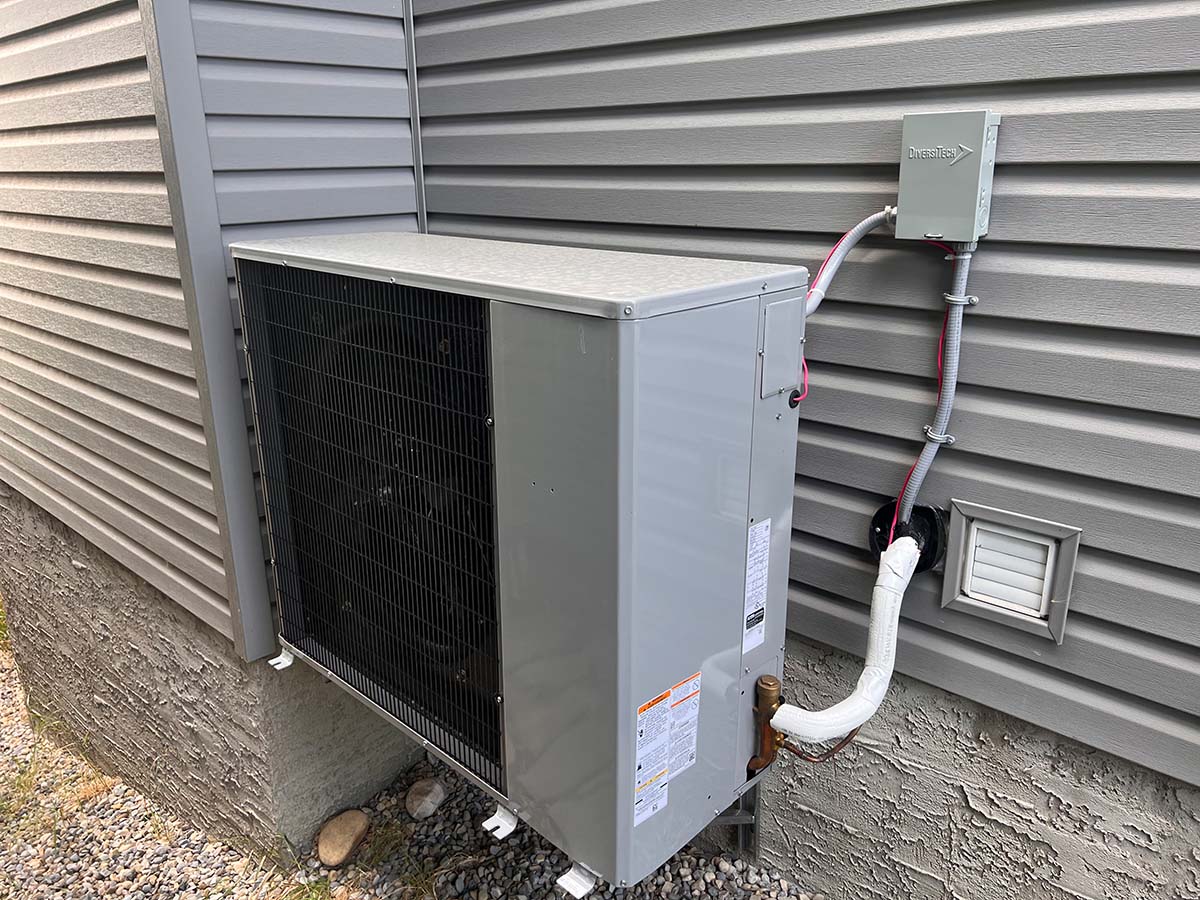

Somebody comes out before anything gets ordered. That visit is not a formality.
Layout walked. Ductwork opened up and checked. Electrical panel looked at, because a new air conditioner needs a dedicated circuit and older Calgary panels are frequently full. Window area and sun exposure noted. Then the space gets measured for what it actually has to cool.
Most homeowners have no idea what condition their ductwork is in until somebody checks. Undersized returns are the common finding in houses from the 70s and 80s, where the ducting was designed to move heat and nothing else. Cooling asks more of a duct system than heating does. Air has to move further and faster to pull temperature down.
System selection comes after the assessment, never before it. All major brands carried. Manufacturer warranties on every unit. Free quotes on new air conditioner installation, no obligation to proceed.

Get the tonnage wrong and everything downstream of it is wrong too.
Undersized, the air conditioner runs continuously through a hot week and never reaches the thermostat setting. Homeowners assume the unit is broken. It is not. It was too small the day it went in.
Oversized is the failure people do not see coming. A unit with too much capacity drops the temperature quickly, satisfies the thermostat, and shuts down after a short run. Cooling and dehumidifying are the same process, so a system that never runs long enough leaves the house cold and damp at once. Short-cycling also wears the compressor faster than steady operation does.
A load calculation settles it. Square footage alone does not, whatever the chart at the big-box store says. Insulation levels, window area and orientation, ceiling height, how many people live there, and where the sun lands in the afternoon all move the number.
Most 2,000 square foot Calgary homes land at 2.5 to 3 tons. Two-storey and bungalow at the same square footage size differently, though. Second floors hold heat the main floor never sees, and a two-storey with a west-facing upper bedroom can need a different approach entirely.

Central air conditioner and ductless mini split are two different jobs, not two versions of one.
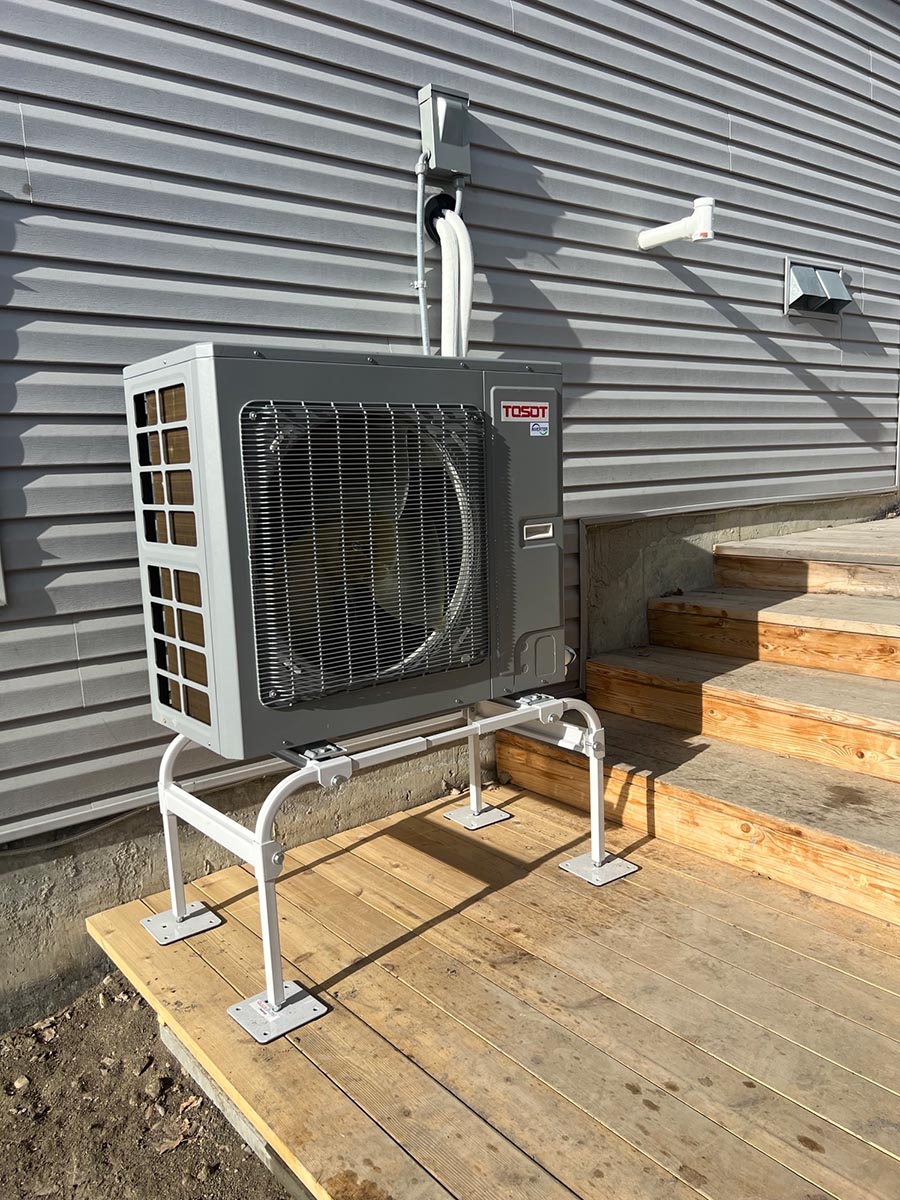
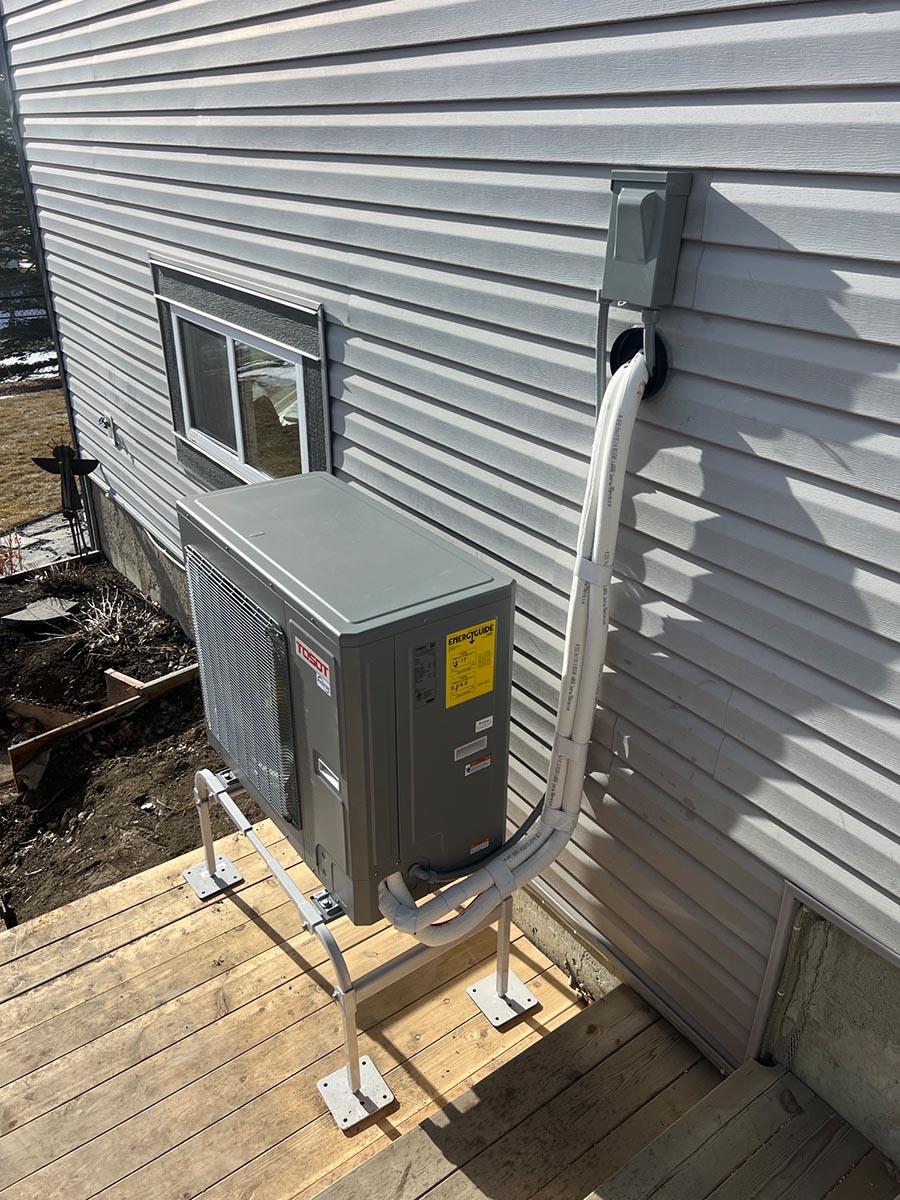
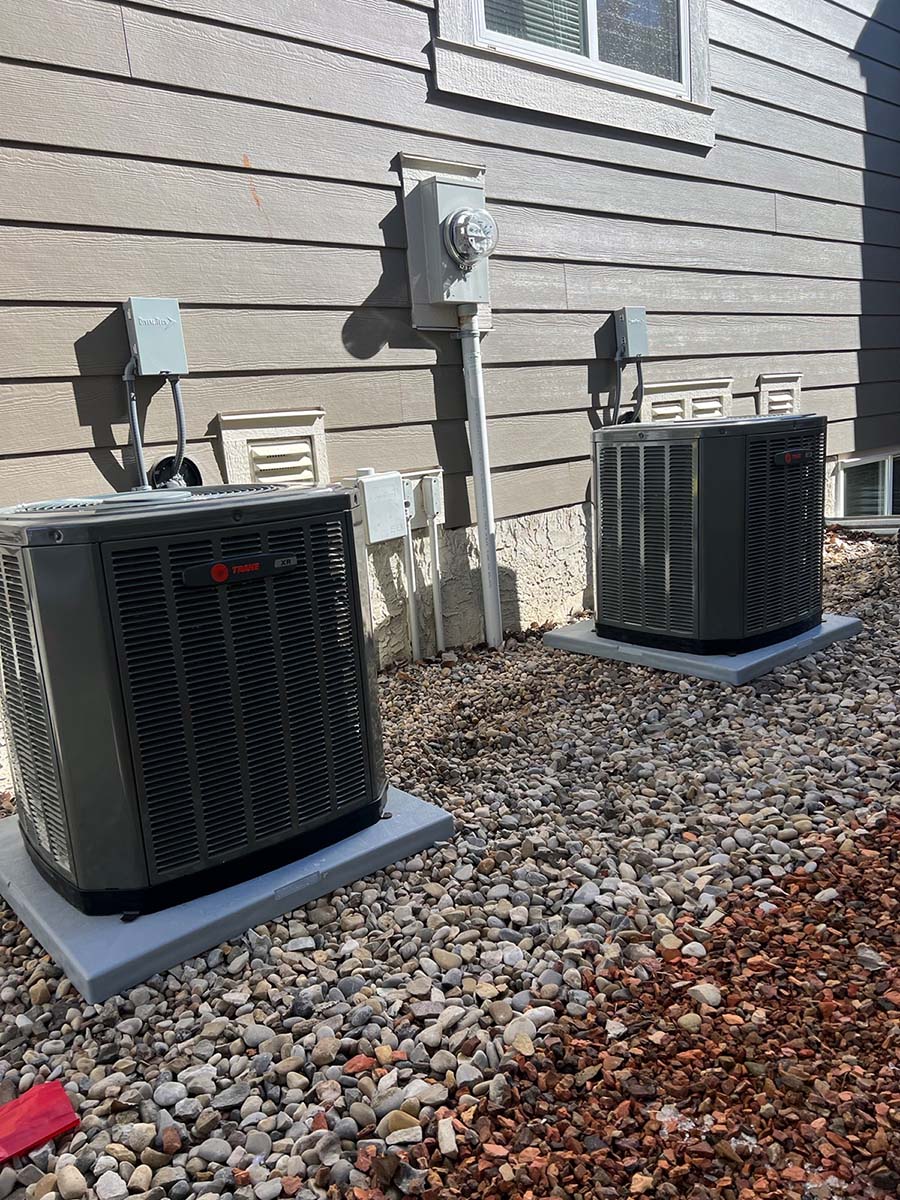
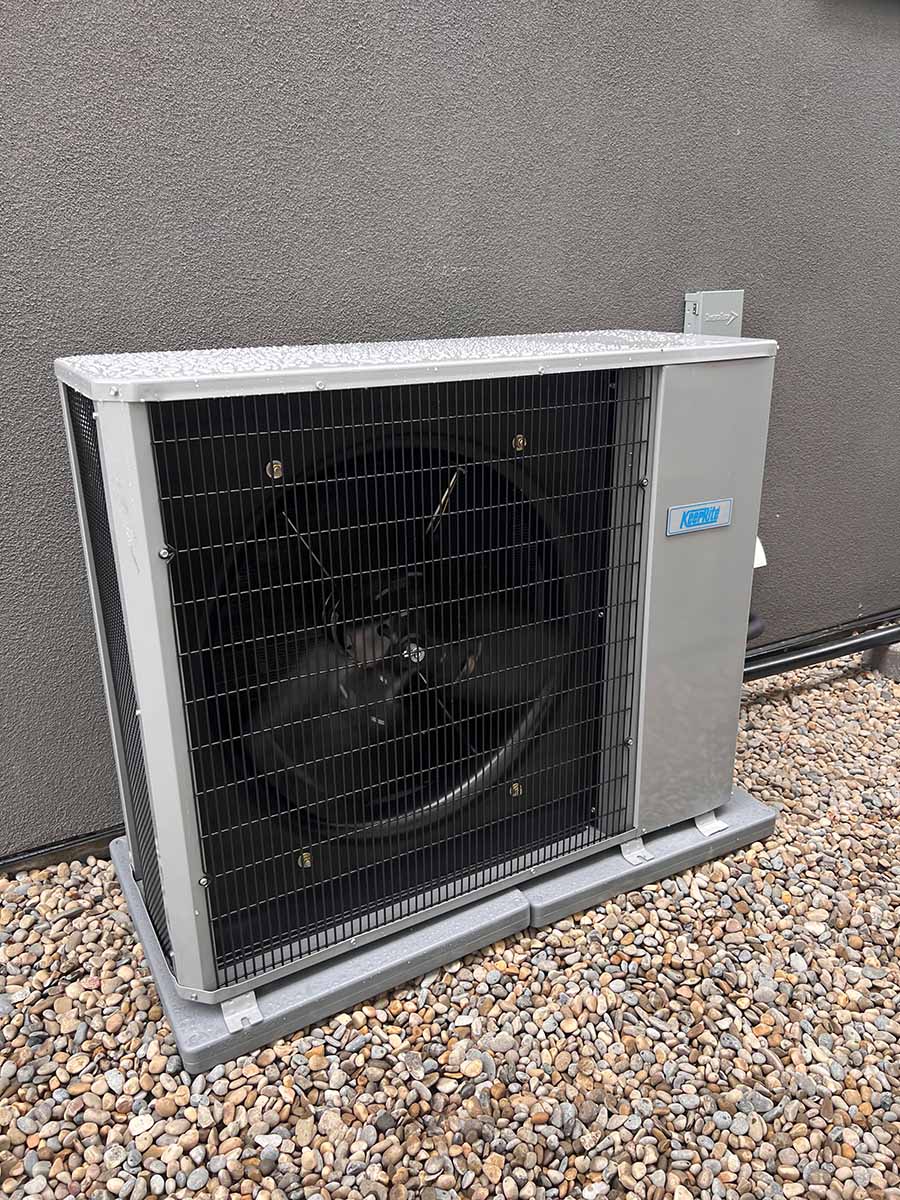
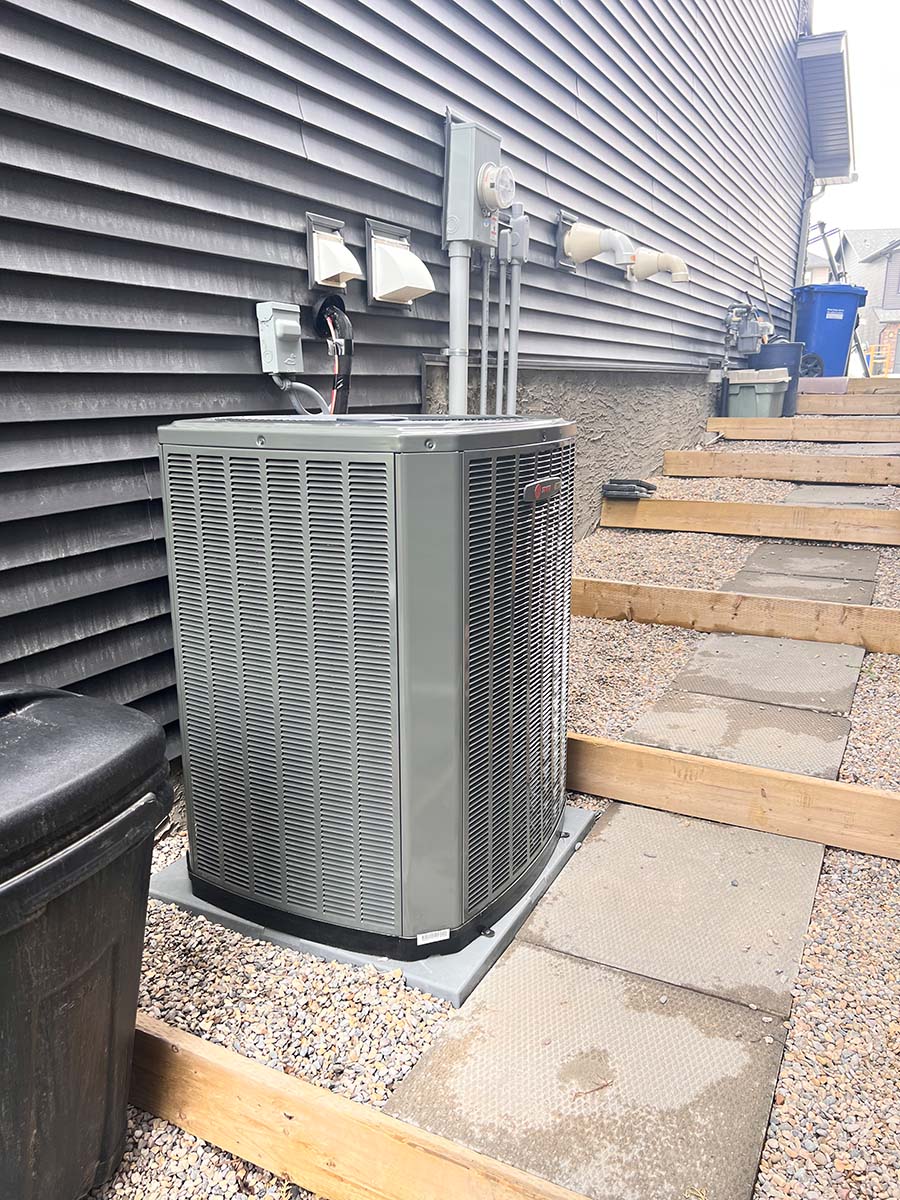
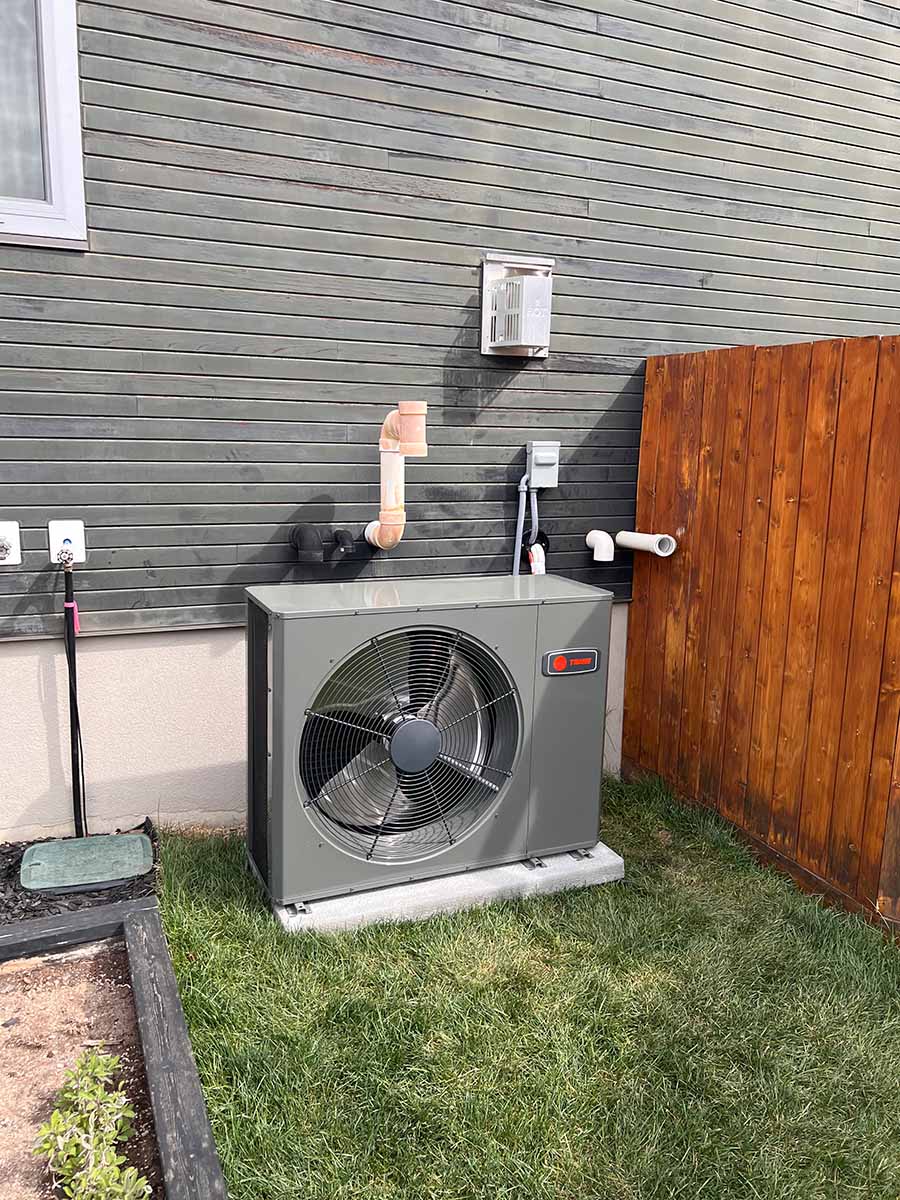
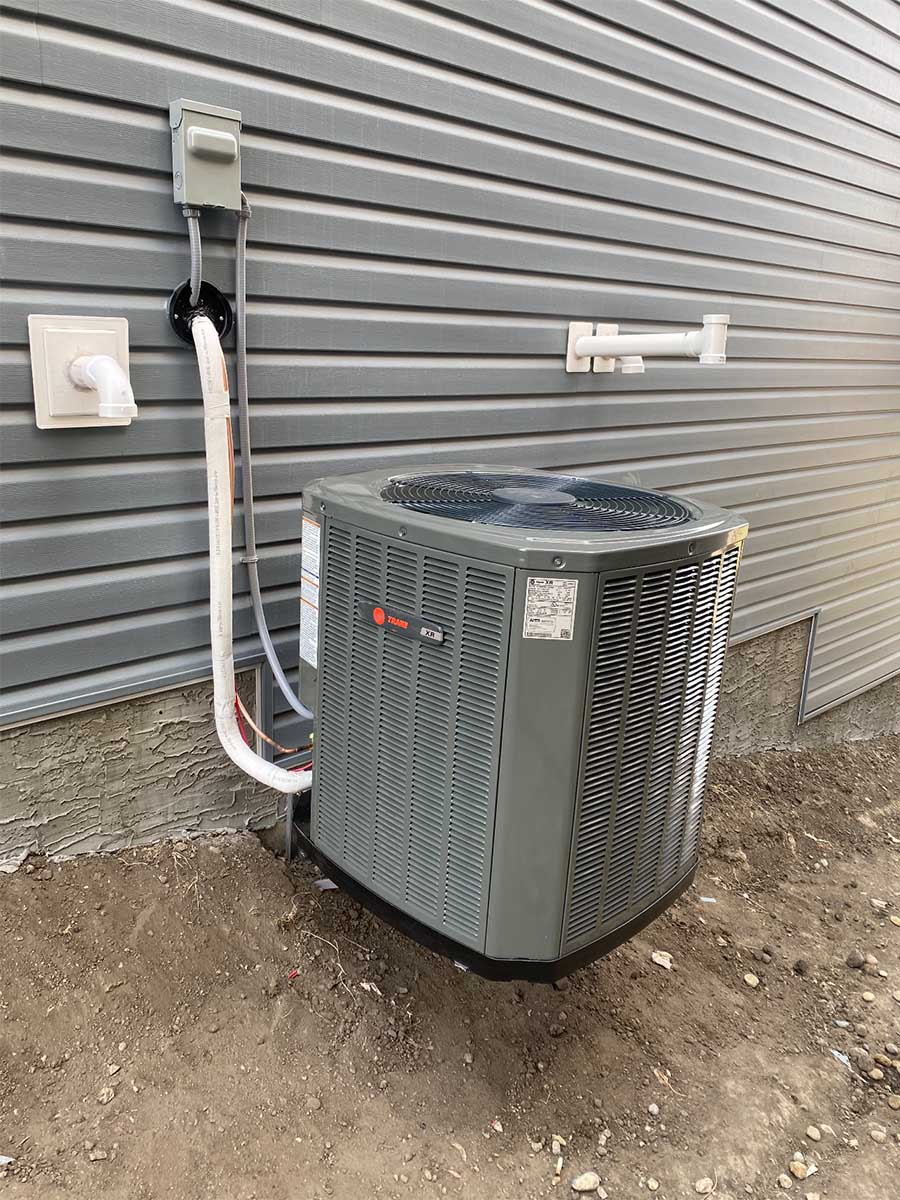
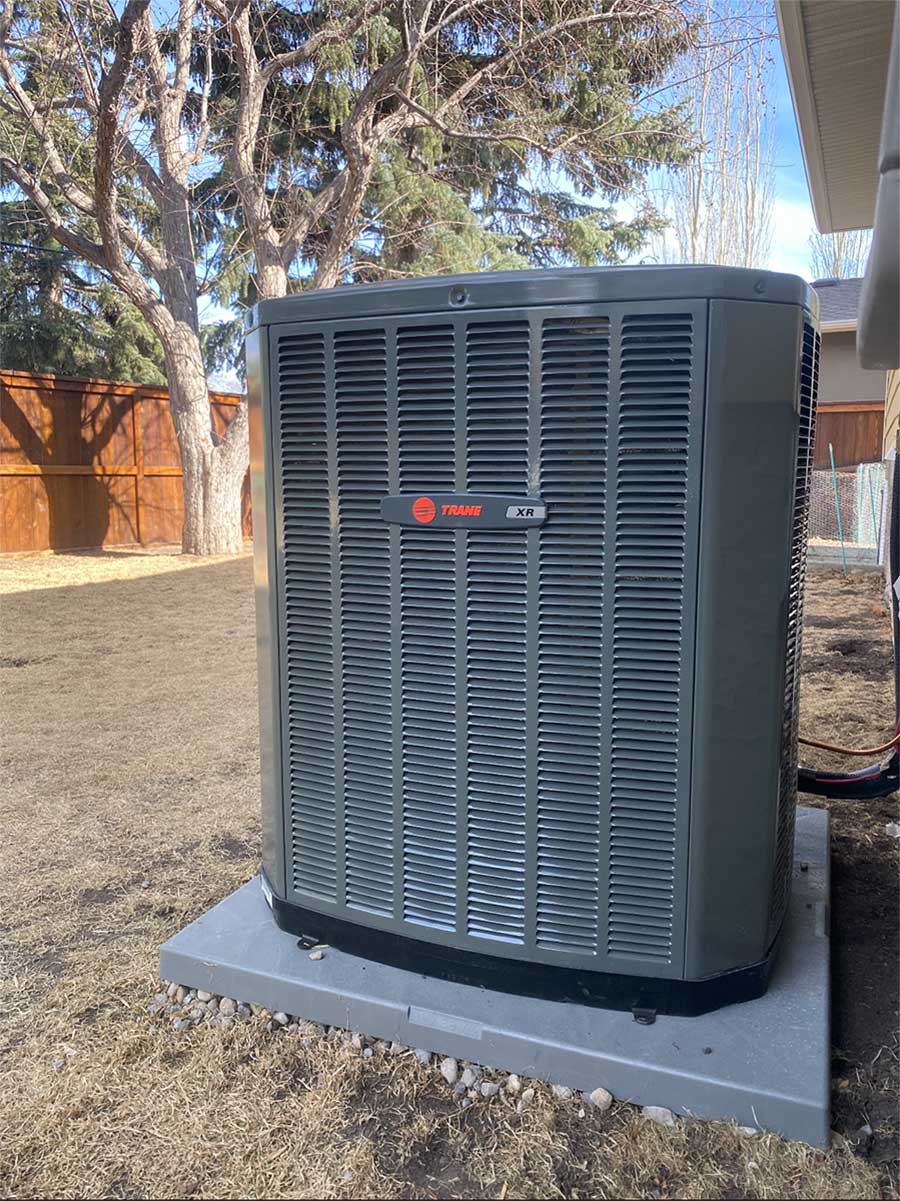
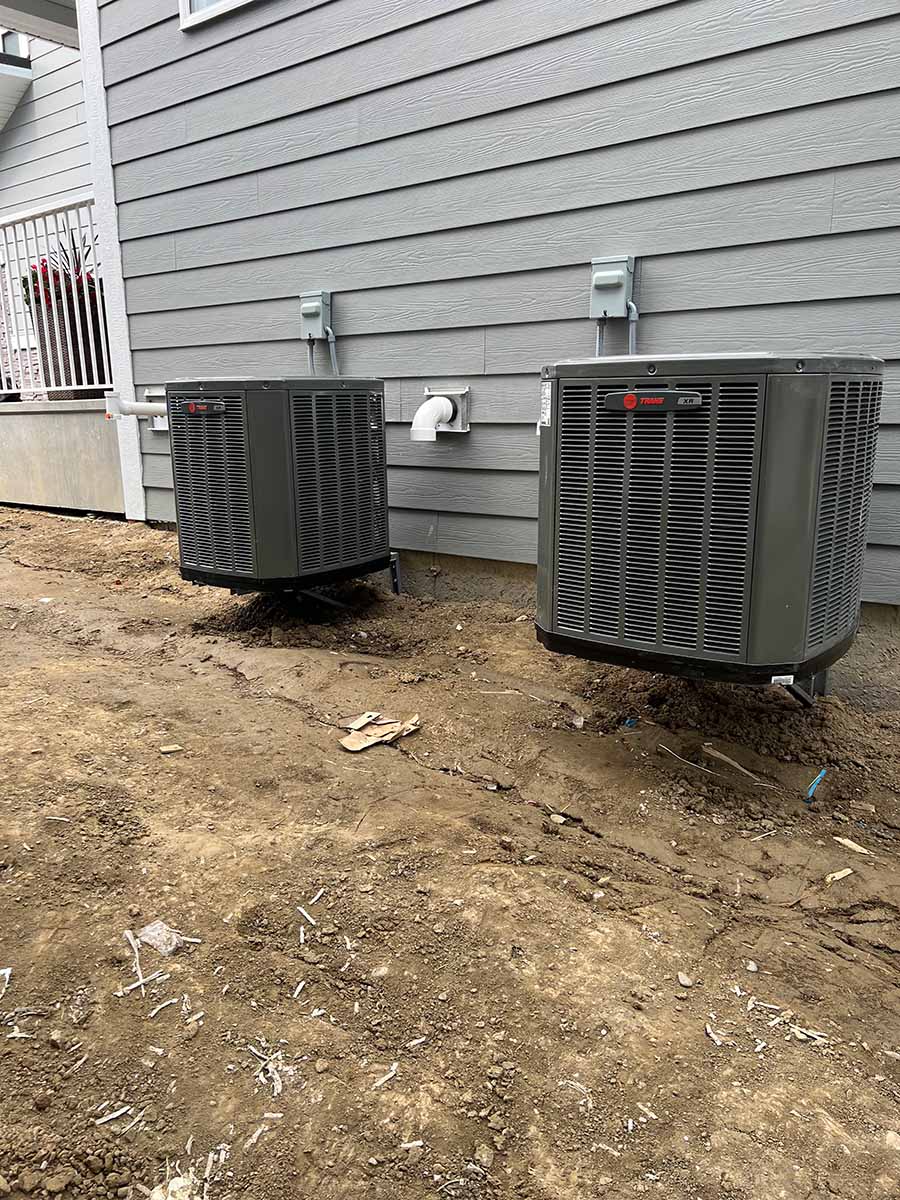
Central goes in around the equipment already there. Condenser on a pad outside, evaporator coil mounted on the furnace plenum, refrigerant lines run between them, condensate drain tied in, thermostat rewired. The furnace blower does the moving. One day covers it in most homes.
Ductless is a different install altogether. Each indoor head gets mounted and a small line set runs back through the wall to the outdoor unit. No ductwork involved, so a house with no ducts becomes possible. More zones, more heads, more line sets, longer install. Cost climbs per zone.
Central air conditioning suits most Calgary homes because forced-air heating is already there. Ductless earns its place in converted attics, additions, garage suites, and older inner-city homes that came off boilers years ago.

14.3 to 15.2 SEER2 covers most local installs. Higher numbers mean lower running costs.
The payback math is different in Calgary than the brochures assume, though. Efficiency ratings get calculated against a long cooling season. Ours runs eight to ten weeks. A high-efficiency air conditioner that pays for itself in four summers in Toronto takes considerably longer here, simply because it runs fewer hours to save on.
That is not an argument for the cheapest tier. It is an argument for being told the truth about the payback period before spending on a rating you will not recover. Your technician walks through what makes sense at the site visit. No pushing efficiency numbers nobody needs.
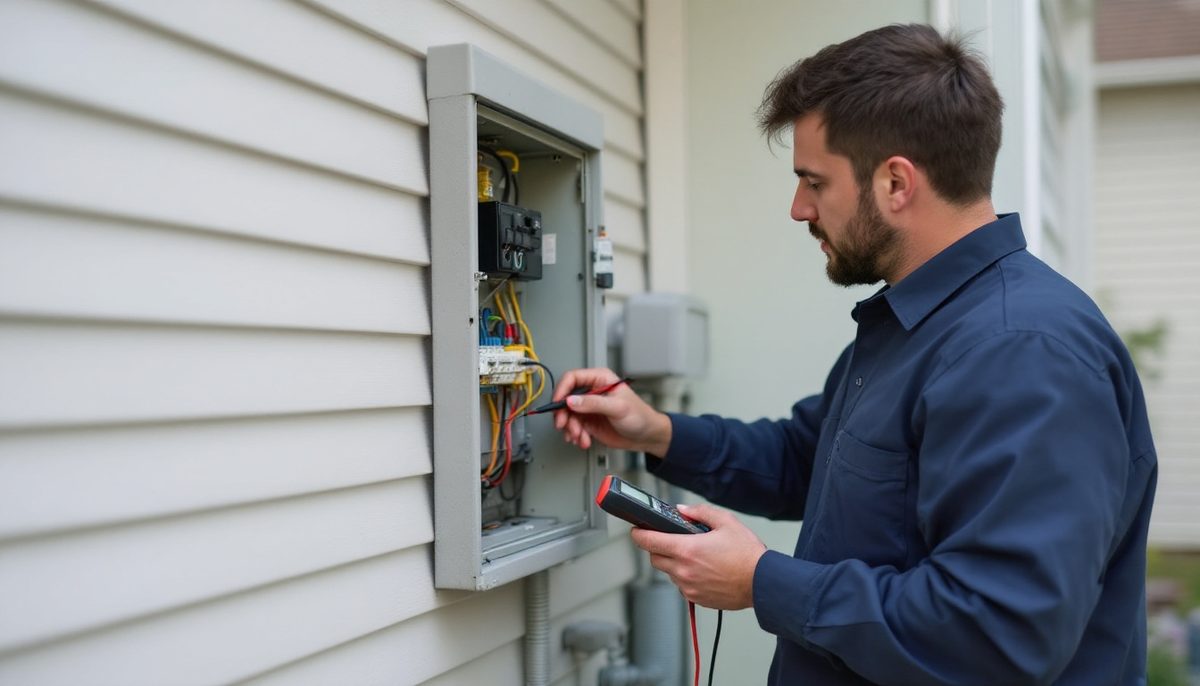
A new air conditioner needs its own circuit and a disconnect within sight of the outdoor unit. That work requires an electrical permit, and a licensed contractor pulls it as part of the job rather than leaving it with the homeowner.
Panel capacity is where installs stall. A full panel means either a subpanel or a service upgrade before the air conditioner can go in, and that changes both the timeline and the number. It is the single most common reason a one-day install becomes two.
Worth checking your panel before booking anything. If there are no open double slots, mention it when you call.

One day for most homes. Two if the house is large, the ductwork needs modification, or the panel needs work first.
The technician arrives with everything required to finish. Ductwork inspected and connected. Outside unit goes in. Lines run. Wired back to the thermostat. Refrigerant charge set and verified against the manufacturer spec, which matters more than people realise, since an undercharged system underperforms from day one and nobody notices until August.
Before anyone leaves, airflow gets confirmed room by room and supply temperatures checked to confirm they are actually dropping. Anything off gets corrected on the spot. No partial jobs left sitting over a weekend.

$3,500 to $6,500 fully installed covers most air conditioner installation jobs in the area. Unit, labour, refrigerant lines, thermostat connection, all in.
A 2,000 square foot home usually lands nearer $4,000 to $5,500. What moves it: home size, ductwork condition, panel work, and which efficiency tier you go with. Good ductwork already in place costs less than a house needing modifications, and that gets assessed at the pre-install visit so the number is known going in.
Written quote before any work starts. Financing on request, with payment plans that avoid dropping the full amount at once. The AC installation cost guide breaks the pricing out in more detail.
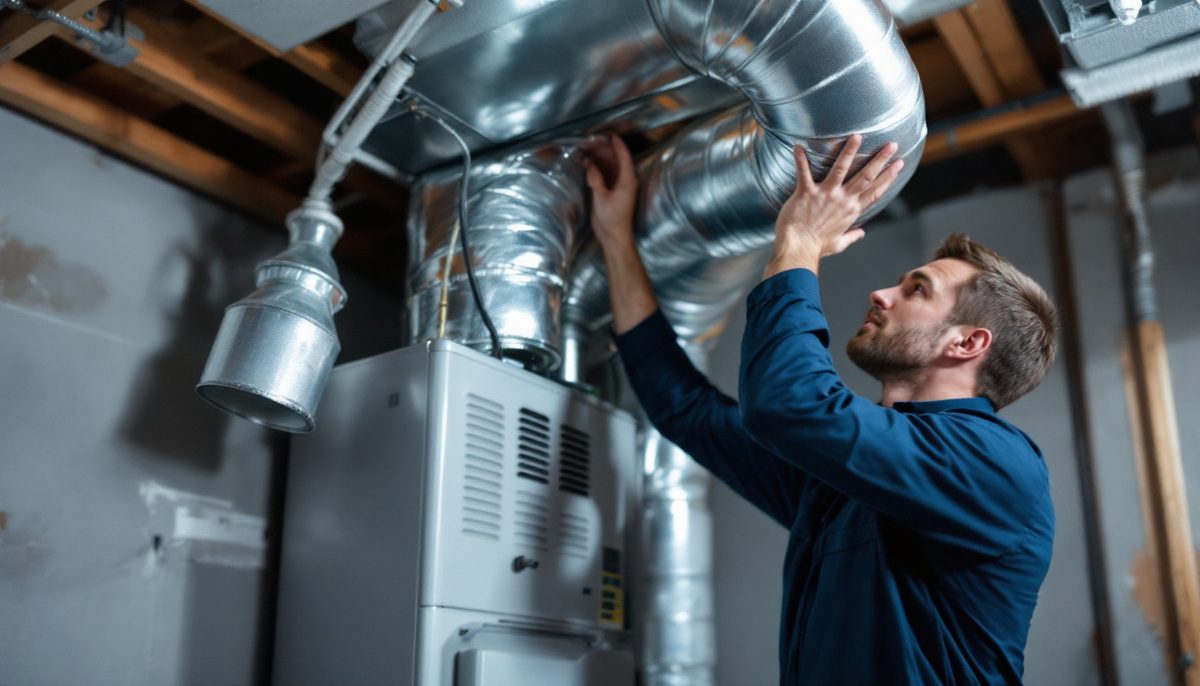
Biggest savings on the whole job sit here.
The air conditioner and the furnace share an air handler and share ductwork. Replacing both together means one visit, one set of connections, one commissioning. Booked a year apart, the same work costs noticeably more.
Furnace already past 15 years and you are pricing cooling? Ask about doing both. It is a bigger cheque once and a smaller one overall.

Nobody prices an air conditioner in April.
The calls arrive in the last week of June, all at once, from people who have decided during a 32-degree night. By then the install calendar is a couple of weeks out and the equipment supply has thinned. Homeowners who book in spring get a better window, a longer conversation about sizing, and no pressure from the weather.
Once the system is in, annual AC maintenance is what keeps the warranty intact and the unit running past 15 years. Symptoms and typical costs when something does go wrong are covered on the AC repair page.

Three quotes on the same house can land a thousand dollars apart, and the spread is rarely the equipment.
Line set length is one. A condenser that has to sit forty feet from the furnace needs more refrigerant line than one going in beside the back step, and some quotes assume the short run. Electrical is another, and it is the big one. A quote that does not mention the panel has not looked at the panel. Pad and levelling get skipped too, along with the condensate drain if the furnace is in a basement without a floor drain nearby.
The other omission is commissioning. Charging the system to spec and verifying airflow room by room takes real time at the end of the job. Skipping it is invisible on install day. It shows up as an air conditioner that never quite keeps up, three summers later, with nobody able to say why.
Ask any installer what the quote includes for electrical, line set, and final charge verification. The answer sorts the quotes quickly.
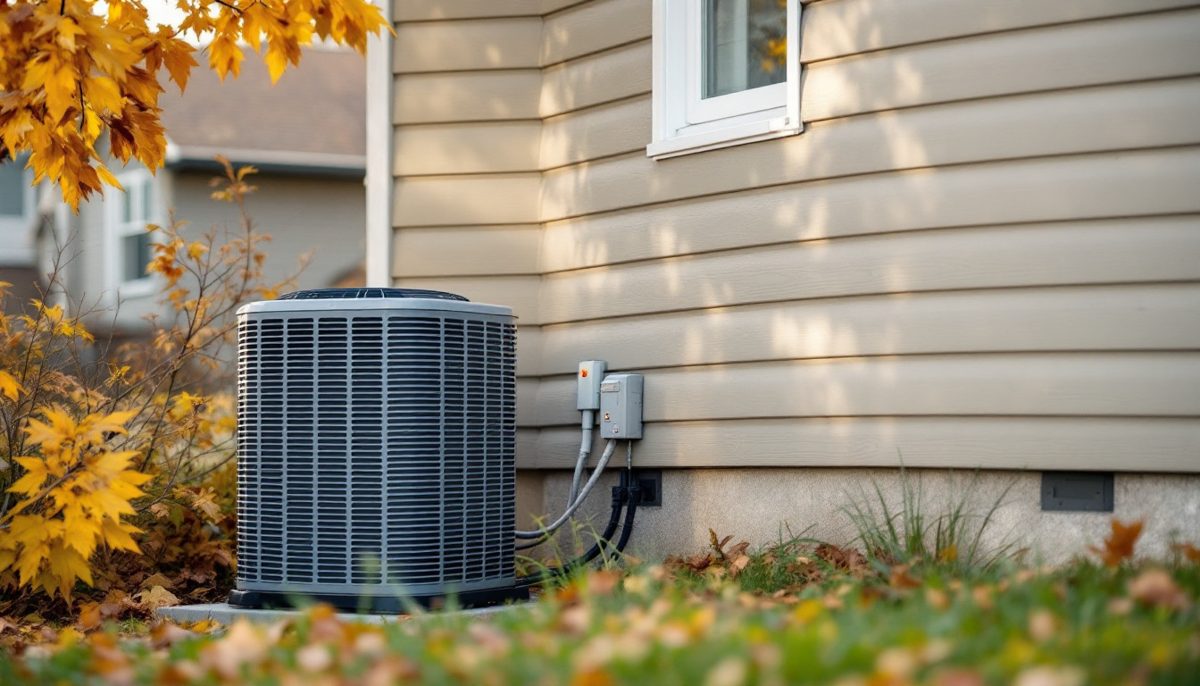
Central air conditioner installation across Calgary, Chestermere, Cochrane, and Okotoks. Licensed, insured, 100% Canadian. Quote requests answered as soon as the schedule allows. Every job starts with a free site visit and ends with a commissioned system that has been tested room by room.
Call (403) 720-0003 for a quote, or to ask whether your house can take central air at all.
One day covers most installs. Larger homes, ductwork modifications, or electrical panel work can push into a second day. That gets flagged at the site visit, so there is no surprise second day.
Not without adding ducts, which is a substantial job in a finished home. Ductless mini splits are the usual answer instead. Older inner-city homes converted off boilers are the common case here, and a zone-by-zone approach ends up cheaper than retrofitting duct runs through finished walls.
Yes, on request. Spreading the cost over monthly payments means getting the system now rather than waiting for something to fail in summer. Worth raising when you call to book.
Manufacturer warranties on all units. Parts and labour terms vary by brand and model, and they get covered in the quote review before anything is scheduled.
April and May. The schedule is open, equipment is available, and there is time to size the system properly instead of deciding in a heat wave. Installs still happen through summer, just with less flexibility on dates.
The electrical work does need one. A licensed contractor pulls it as part of the installation, so it is not something the homeowner arranges separately. Ask to see it on the paperwork if it is not mentioned.
Against an old, failing unit, yes. Against no air conditioning at all, no, since you are adding a load that was not there before. The gain in a replacement comes from a modern compressor doing the same cooling on less power, and from a correctly sized system that is not running flat out to keep up.
You will always get upfront pricing on all our professional services. Also, you will get free replacement quotes on heating and cooling. Apart from Calgary, the other areas we cover are Chestermere, Cochrane, Okotoks, Rural Communities, etc.